
Region: Victoria
-
Victoria Moorings
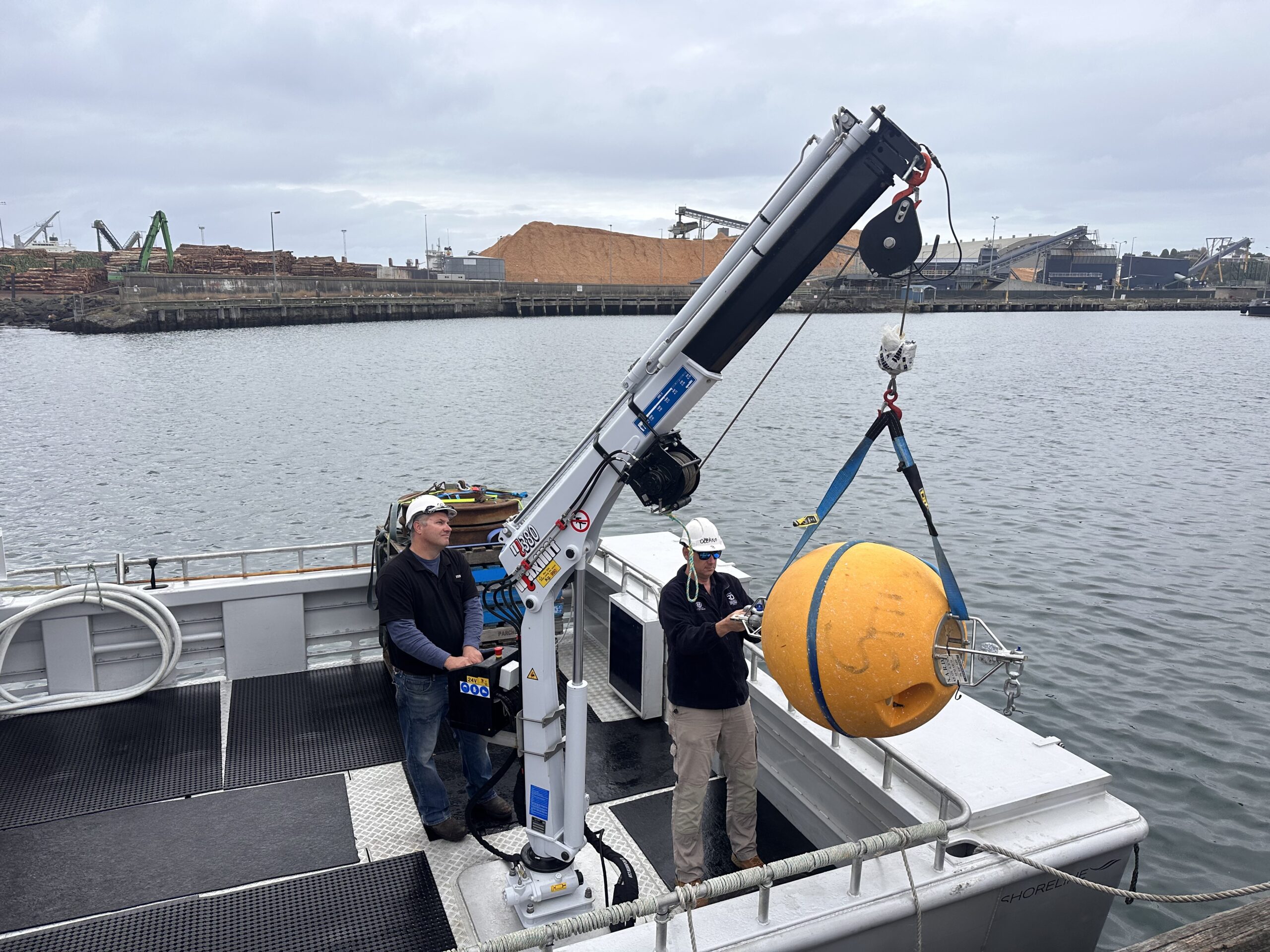
Victoria Moorings is responsible for a mooring deployed in the Bonney Coast region off Cape Bridgewater (Victoria). This region of the Victorian coastline has strong seasonal upwelling and supports one of the most productive regions of temperate Australian coastal waters. Not only does this region support large populations of migratory whales, fur seals, sharks, and…
-
Understanding of Marine Imagery
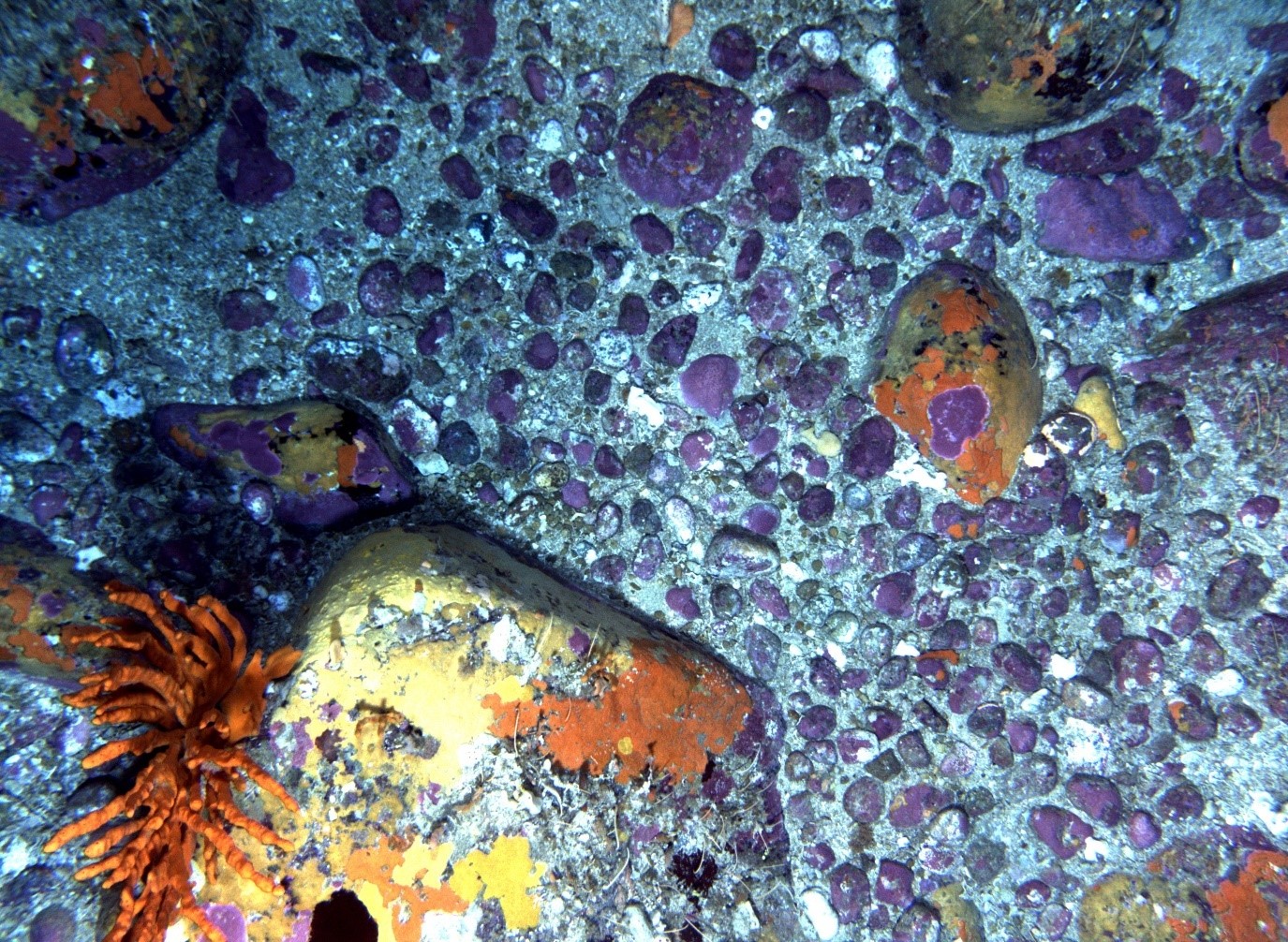
Understanding of Marine Imagery will establish a national repository for annotations of marine imagery, including those collected by IMOS Autonomous Underwater Vehicles. This repository will aid in the sharing of quantitative information and encourage consistencies in annotated labelling and providing tools for summarising and reporting on data relating to species and habitat distributions around Australia.…
-
National Reef Monitoring Network
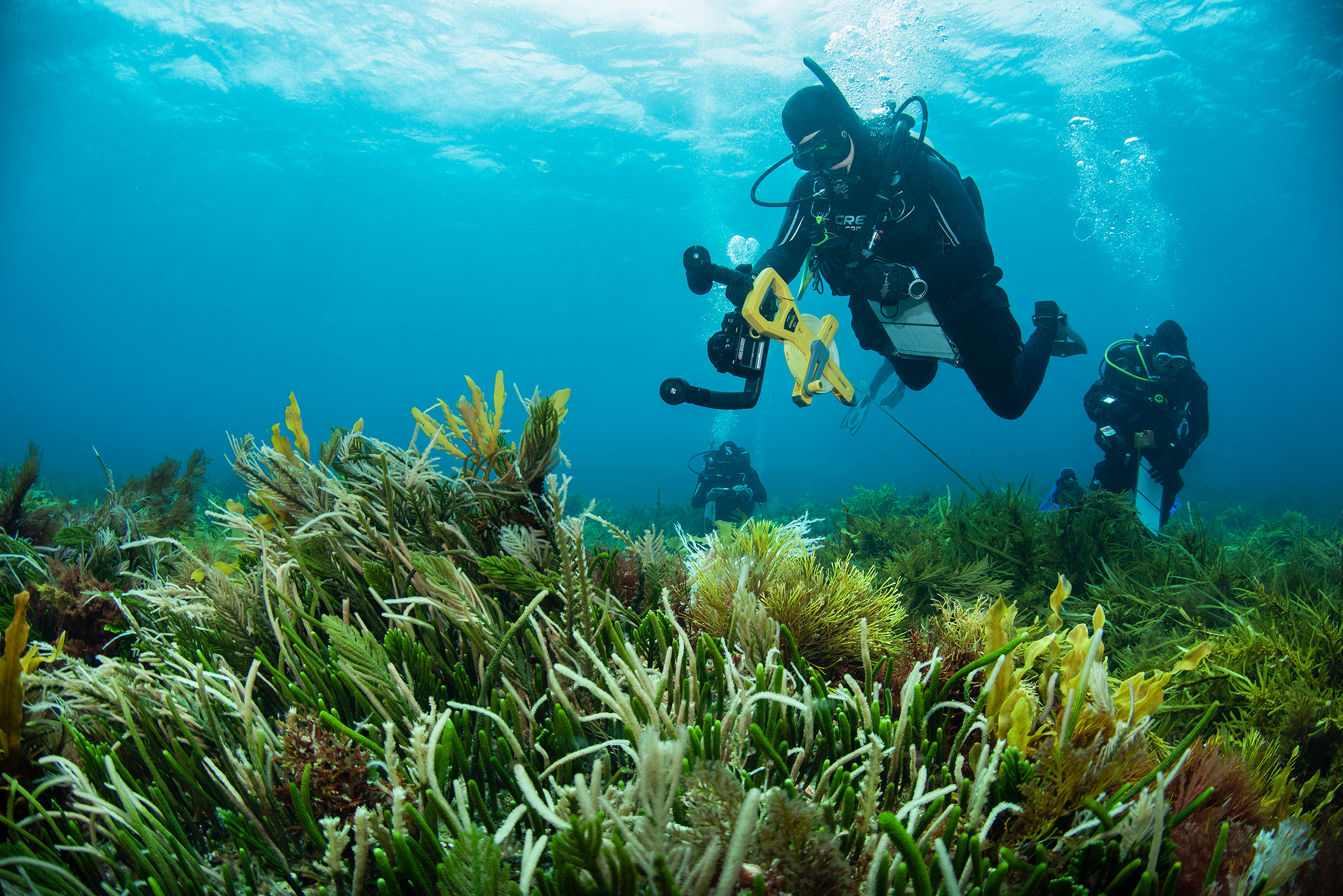
The National Reef Monitoring Network brings together shallow reef surveys conducted around Australia (and globally) into a centralised database. Data Contributors The IMOS National Reef Monitoring Network sub-Facility collates, cleans, stores and makes this data rapidly available from contributors including: Reef Life Survey, and the Australian Temperate Reef Collaboration (a partnership between the University of…
-
National Mooring Network
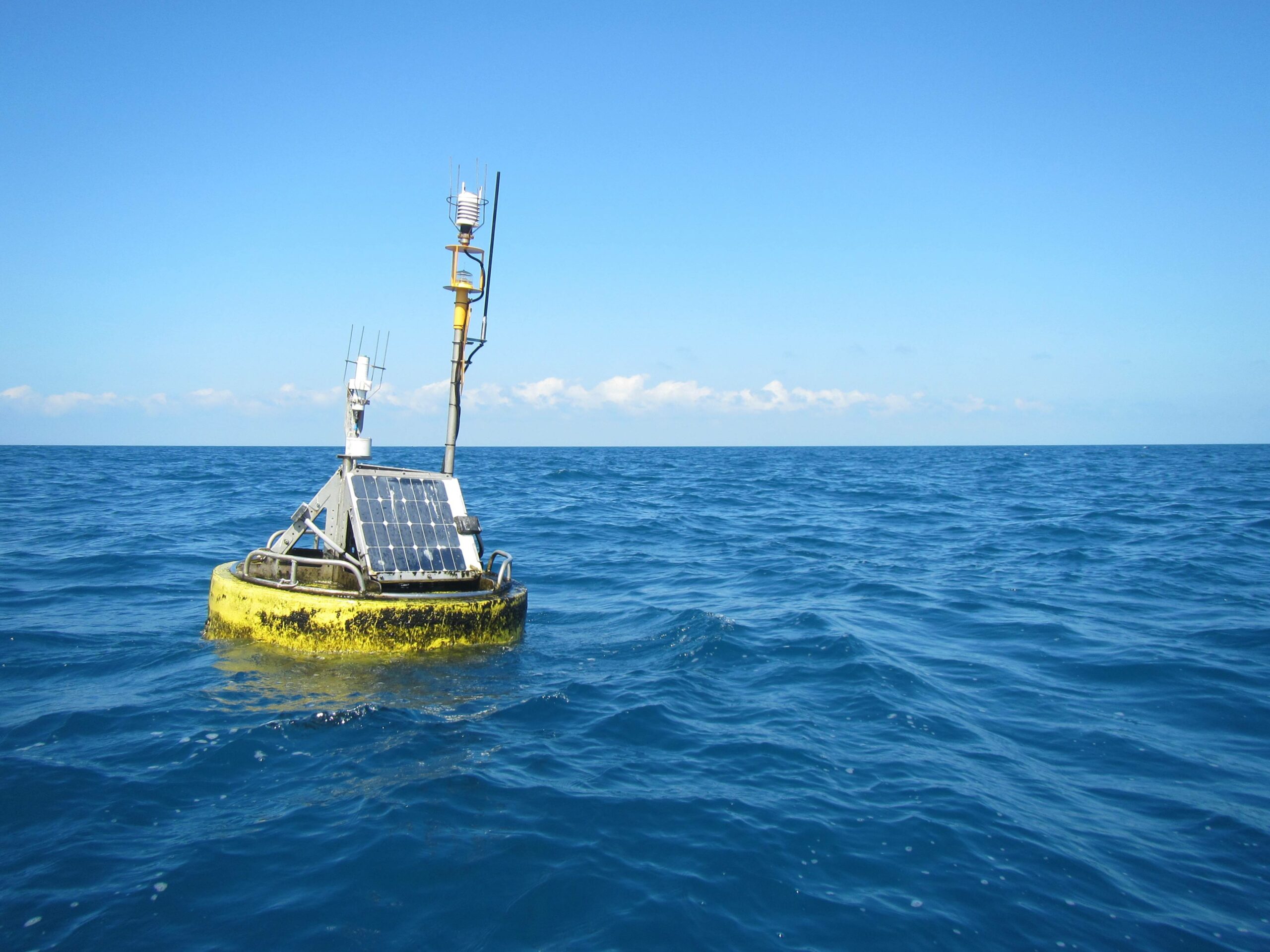
The National Mooring Network is a collection of mooring arrays strategically positioned in Australian coastal waters. The National Mooring Network measures physical and biological parameters, and includes regional arrays of shelf moorings, acidification moorings, acoustic observatories and a network of National Reference Stations that include additional vessel-based sampling. Locations Currently eight National Reference Stations are…
-

Autonomous Underwater Vehicles
Autonomous Underwater Vehicles or AUVs are unmanned vehicles that operate independently and under their own power. While very large-scale surface processes can be easily addressed by both remote sensing and ship-borne systems, characterisation of seafloor processes is often unachievable by these traditional methods. AUVs are effective for rapid and cost-effective high-resolution, accurately geo-referenced and targeted…
-

Event Based Sampling
The IMOS Event Based Sampling sub-Facility uses Ocean Gliders to monitor marine events in Australian coastal waters, with up to eight deployments per year. Targeted events that IMOS could monitor include marine heatwaves, river outflows due to floods, marine cold spells, harmful algal blooms and extreme weather events such as tropical storms and cyclones. Data…