
Region: Queensland
-

Larval Fish
Larval fish are sensitive to environmental changes, with many oceanographic processes influencing their distribution, abundance and survival. Most fish species have eggs and larvae that are easily sampled with plankton nets in the upper layers of the ocean making them easy to sample with existing sampling methods. The ease of capture and their sensitivity to…
-
National Reference Stations
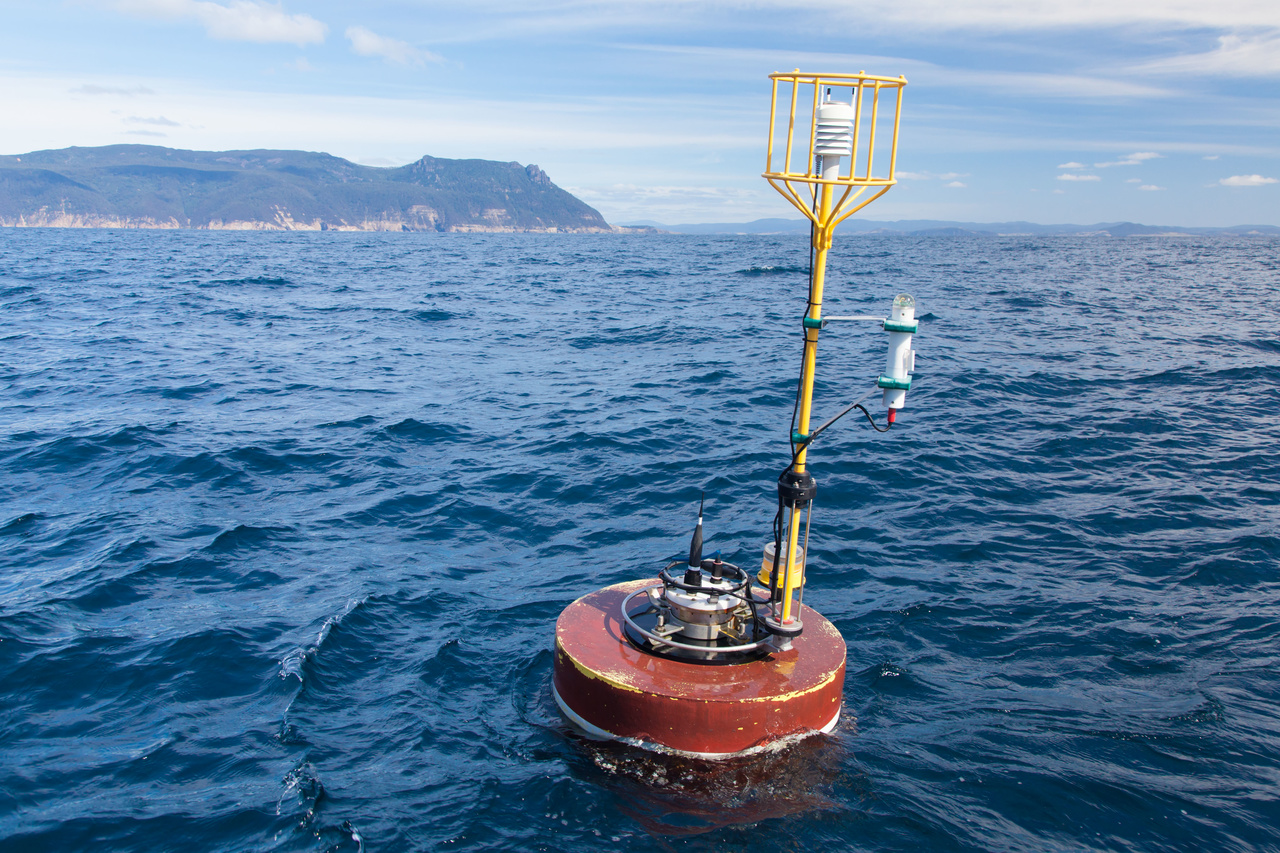
National Reference Stations provide fundamental baseline information used to understand how large-scale, long-term climate change and variability is affecting Australian coastal seas. In addition to the continuous monitoring of physical oceanic properties of the moorings, these sensor-based observations are combined with vessel-based biogeochemical sampling on a monthly basis (for most locations). Data Deployments A current…
-
Acidification Moorings
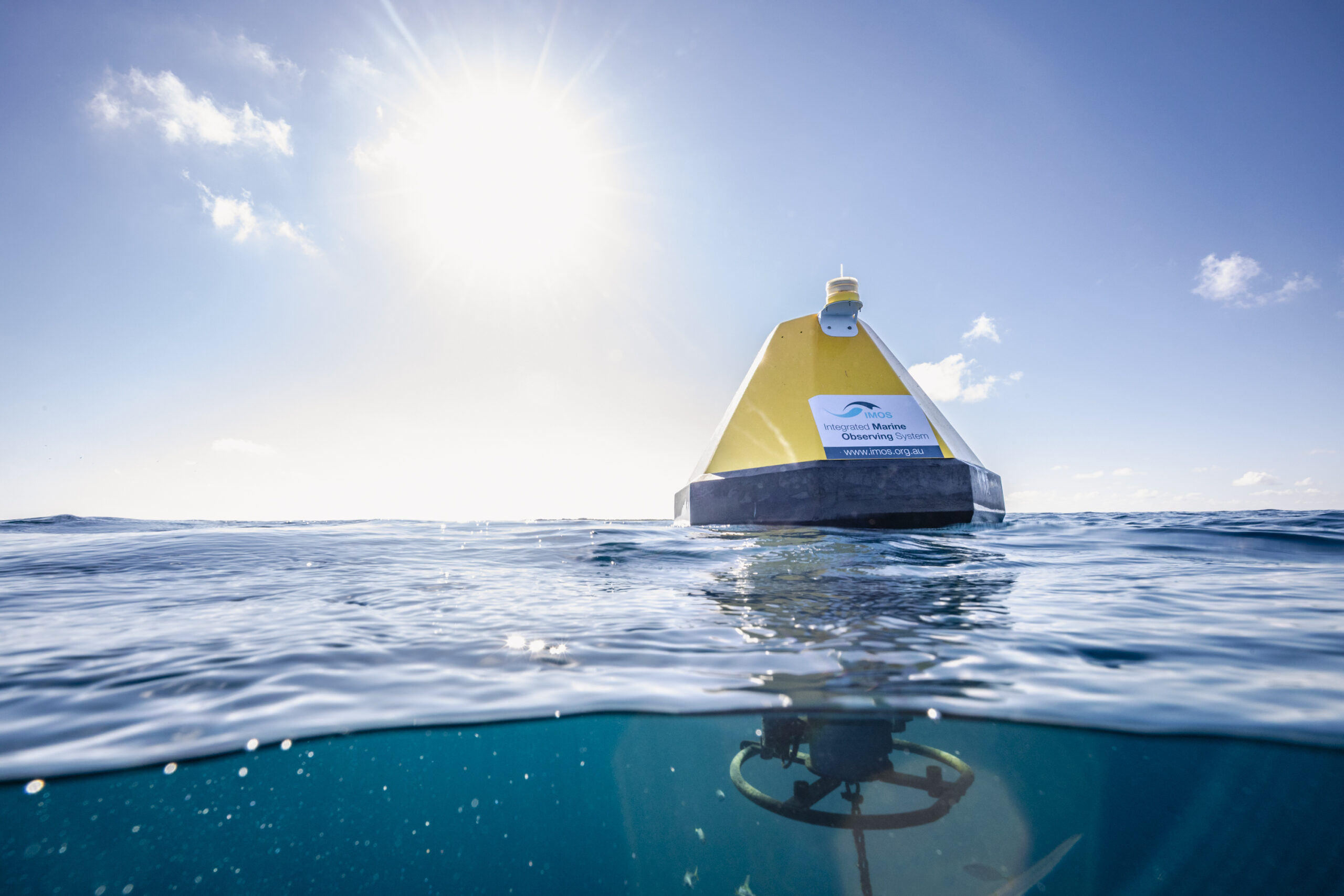
Acidification Moorings are a specially designed mooring system that measures CO2 of the ocean’s surface and atmosphere providing valuable information on the state of Australian coastal waters in relation to ocean acidification. Deployments Acidification Moorings have been deployed to complement two National Reference Stations, Maria Island (Tasmania) and Kangaroo Island (South Australia), providing meteorological and additional data…
-
Queensland and Northern Australia Moorings
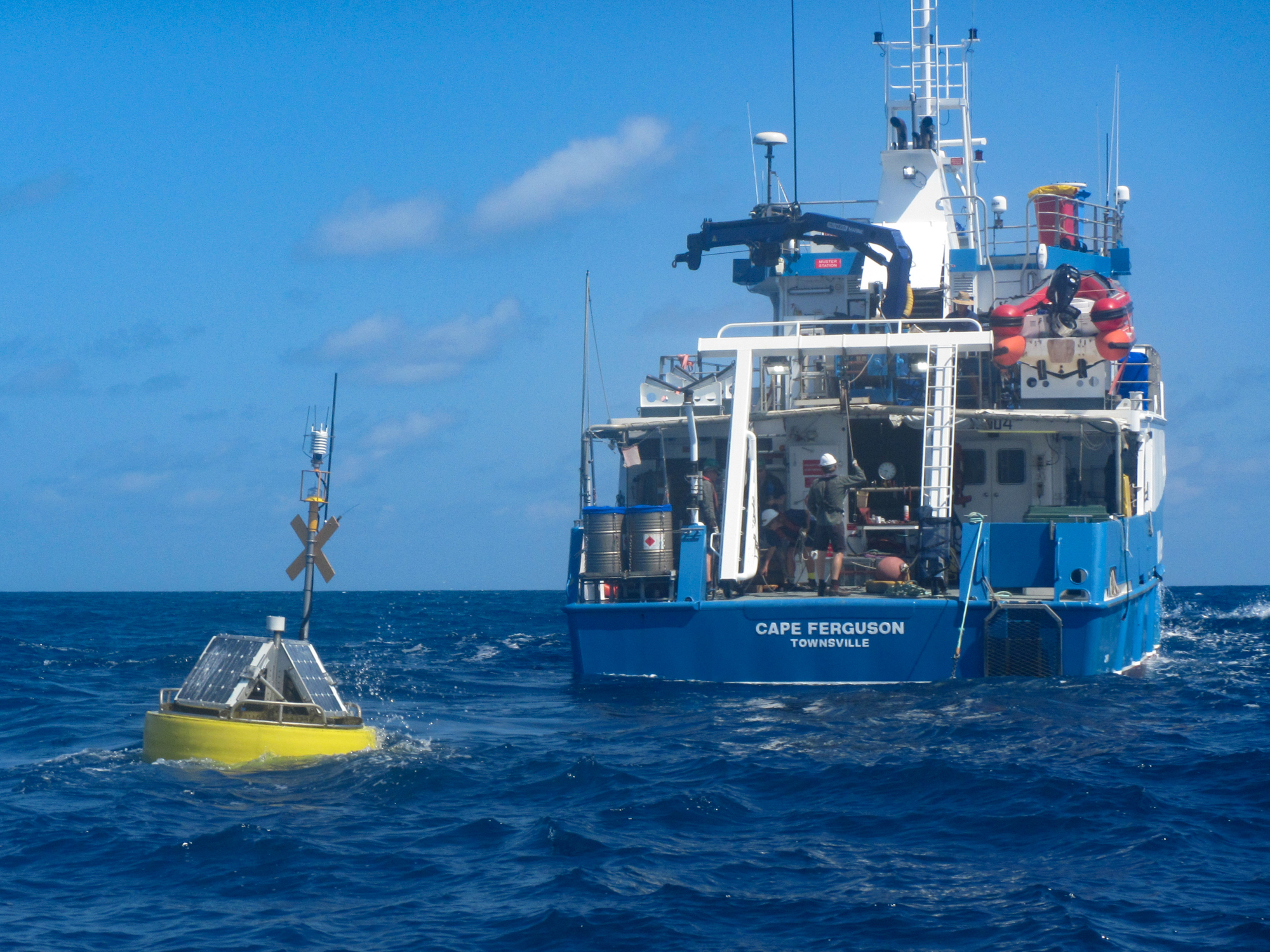
Queensland and Northern Australia Moorings collect key oceanographic data from shelf arrays located in the northern tropics along the Great Barrier Reef and the north west region of Western Australia. The mooring array provides near real-time and delayed mode observations of physical oceanographic conditions of the regions and water quality measurements. Data Deployments The Great…
-
Understanding of Marine Imagery
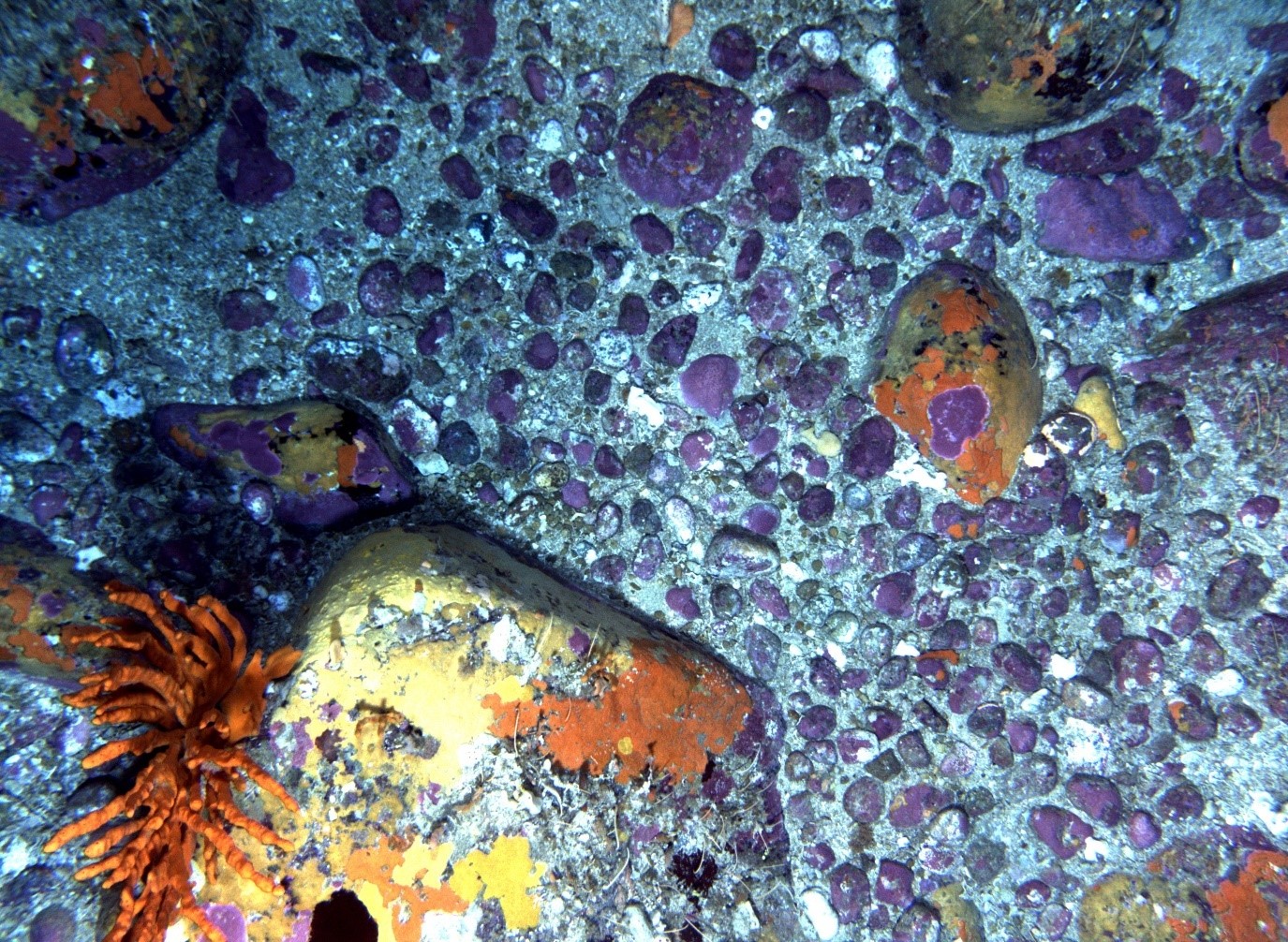
Understanding of Marine Imagery will establish a national repository for annotations of marine imagery, including those collected by IMOS Autonomous Underwater Vehicles. This repository will aid in the sharing of quantitative information and encourage consistencies in annotated labelling and providing tools for summarising and reporting on data relating to species and habitat distributions around Australia.…
-
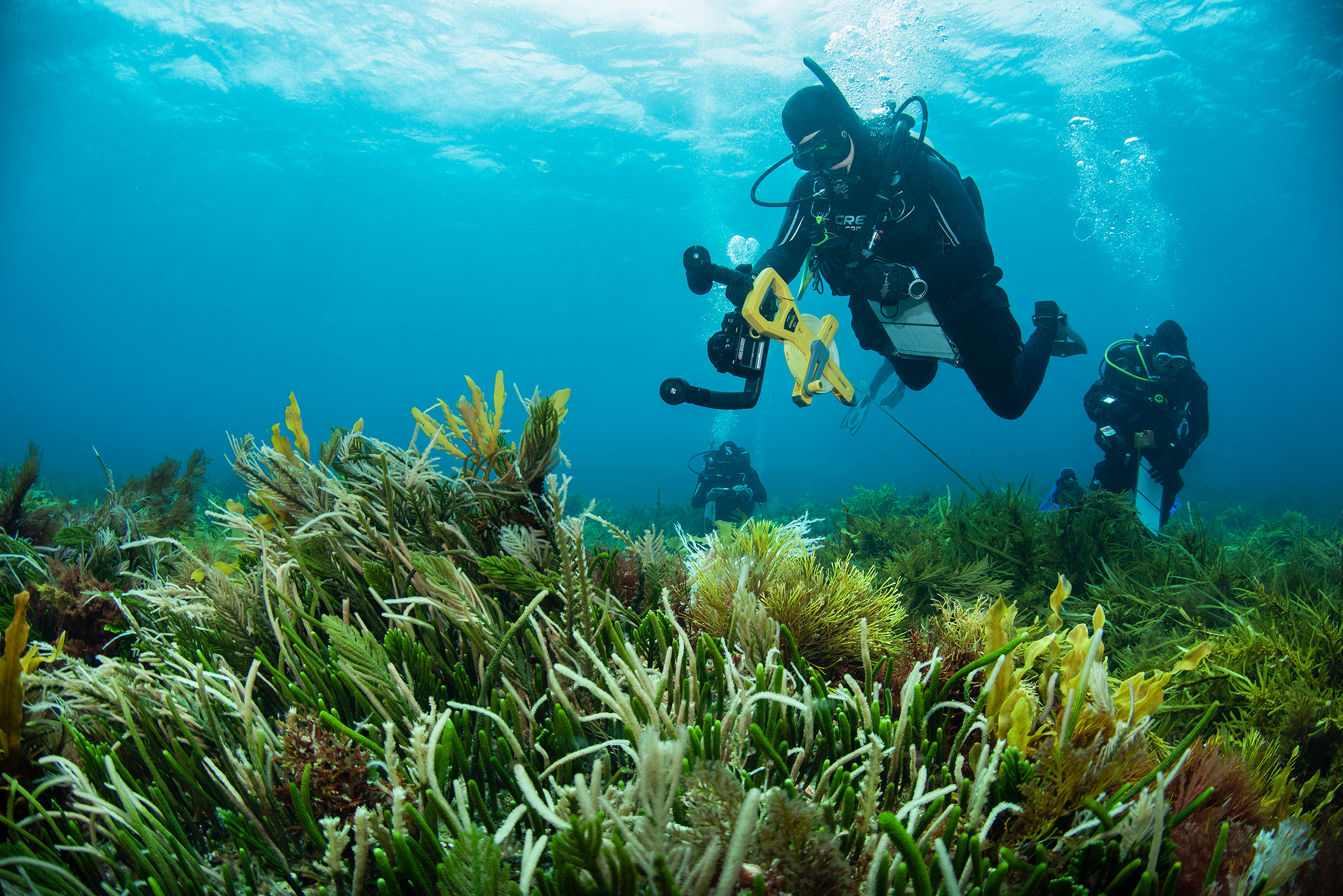
National Reef Monitoring Network
The National Reef Monitoring Network brings together shallow reef surveys conducted around Australia (and globally) into a centralised database. Data Contributors The IMOS National Reef Monitoring Network sub-Facility collates, cleans, stores and makes this data rapidly available from contributors including: Reef Life Survey, and the Australian Temperate Reef Collaboration (a partnership between the University of…