
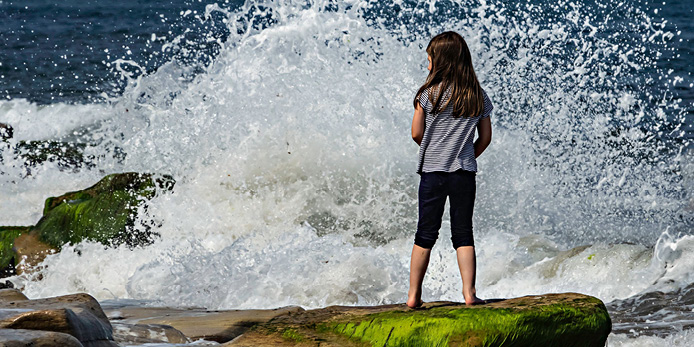
The 2026 National Science Week theme, ‘Seeds of Science: Nurturing knowledge for all’ celebrates curiosity, learning and discovery.
At IMOS, we believe the ocean is one of the best places to inspire the next generation of scientists. Ocean literacy helps students understand how the ocean influences our climate, environment and everyday lives, while building awareness of the challenges facing marine ecosystems.
To mark National Science Week, students can explore Journey with Ocean Observers, a children’s book developed by Global Ocean Observing System – a programme of UNESCO’s Intergovernmental Oceanographic Commission. The story follows a communication satellite as it meets floats, gliders, moorings and research vessels, discovering how scientists work together to better understand our changing ocean. Through storytelling and colourful illustrations, the book introduces young readers to the technologies and teamwork behind ocean observations.
Teachers and students can also access a range educational materials from the Australian Government’s ‘Our Ocean’ initiative. Resources including The Ocean and You, Ocean, Climate and Weather, Threats to the Ocean and How Can You Help the Ocean? help students explore the connections between ocean health, climate, biodiversity and everyday actions.
IMOS would also like to highlight the work of DeadlyScience, an organisation delivering engaging STEM resources and learning programs that incorporate Indigenous knowledge. Through culturally relevant resources, programs and learning opportunities, DeadlyScience supports Aboriginal and Torres Strait Islander students in STEM while celebrating the deep scientific knowledge of the world’s oldest continuing cultures. They offer a range of free, interactive and culturally-relevant STEM sessions connecting learners with science through culture, storytelling and real-world expertise.
This National Science Week, we encourage students and teachers to explore the ocean through stories, data and discovery. Whether learning about ocean observing technologies, marine ecosystems or Indigenous knowledge systems, these resources provide new ways to understand the ocean and its importance to Australia.