
As Australia celebrates NAIDOC Week 2026 and this year’s theme, “50 Years of Deadly”, IMOS is recognising the partnerships that bring people together on sea Country.
Through collaborations between Traditional Owner organisations, local operators and researchers, ocean observing activities are creating opportunities for participation, learning and shared stewardship of Australia’s marine environment.
The Great Barrier Reef holds deep cultural significance for Aboriginal and Torres Strait Islander peoples, who have maintained connections to sea Country since time immemorial. These connections extend back to ancestral landscapes that existed before sea levels rose and the Reef formed in its present-day shape more than 7,000 years ago.
For Traditional Owners, the Reef is intrinsically linked to culture, identity and responsibility, with knowledge and stewardship passed down through generations. Today, Traditional Owner groups continue to play a vital role in caring for sea Country and protecting its environmental and cultural values for future generations.
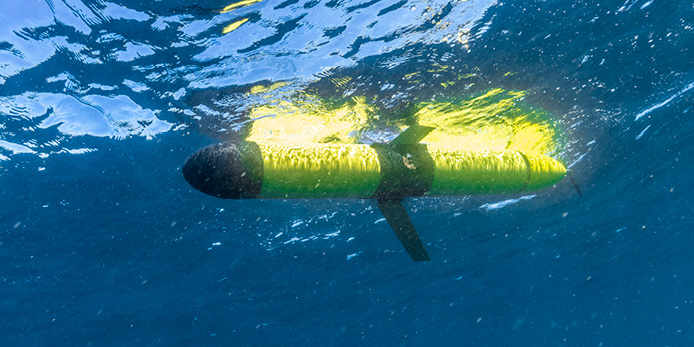
IMOS ocean gliders are deployed up to four times a year in the region to collect critical information about ocean conditions, including temperature, salinity, oxygen levels and biological productivity. The data collected is quality controlled and made freely available through IMOS, supporting research, environmental management and decision-making across Australia.
Glider deployments on the Great Barrier Reef are delivered through a collaboration between the University of Western Australia, which leads the glider operations, and Great Barrier Reef Safaris, which provides the vessel and local operational expertise.
Over the past three years, Great Barrier Reef Safaris has developed strong relationships with the Girringun and Mandubarra Traditional Use of Marine Resources Agreement (TUMRA) groups, creating opportunities for Traditional Owner Rangers to participate in marine science operations as part of the vessel crew.
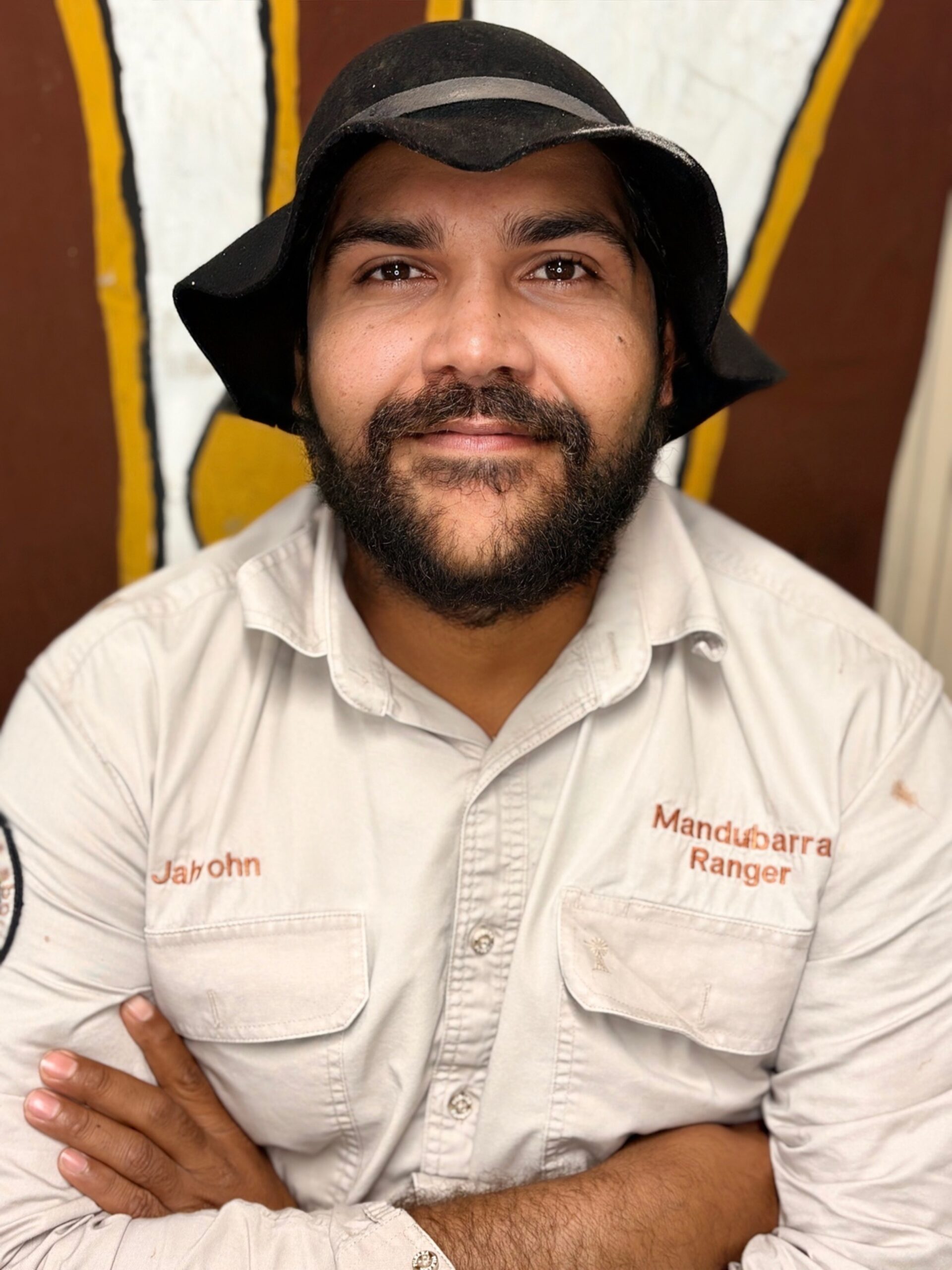
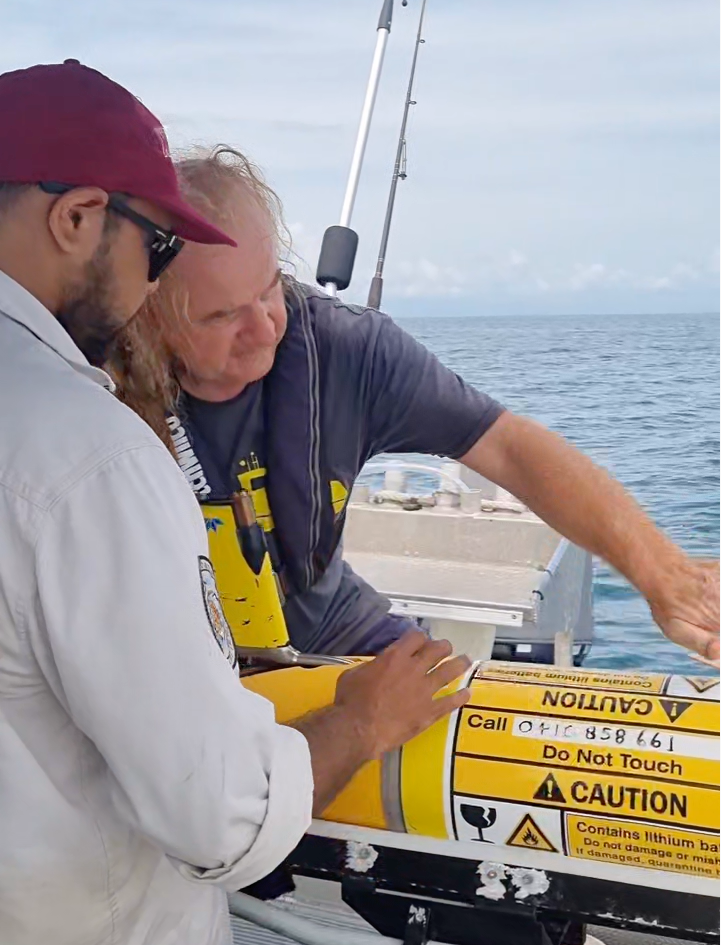
Since September 2025, Traditional Owner crew members have joined IMOS ocean glider deployments whenever Rangers have been available, learning glider deployment and recovery procedures while contributing their knowledge of sea Country.
“Caring for sea Country can take many forms. Being a part of the ocean glider deployment wasn’t just about learning new skills or working with technology, it was about continuing the responsibility our people have always held for these waters.
Standing alongside researchers and operators, I could see how our knowledge and science can work together. It felt good to be out on Country, contributing to something that helps us better understand and project the ocean for future generations.
This experience made me proud, not only to represent my community, but to be a part of a partnership built on respect, learning and shared care for sea Country. Days like this show that when we work together, we can honour our old ways while embracing new ones, all for the benefit of Country and the generations who will come after us.”
Jah, Mandubarra Ranger
The initiative is designed to build capability and strengthen connections between researchers and Traditional Owner organisations. Participation has included Girringun TUMRA Coordinator Jade Pryor, who joined an earlier deployment to learn about the IMOS Ocean Glider Facility, helping build knowledge that supports future Ranger involvement. More recently, Mandubarra TUMRA Coordinator, Rebecca O’Donnell, supported Ranger Jah to begin training in glider deployment and recovery procedures.
By bringing together local knowledge, operational expertise and marine observing capability, collaborations such as these help strengthen connections to sea Country while contributing to a deeper understanding of Australia’s changing oceans.
Header image: Nick Thake