
Region: New South Wales
-
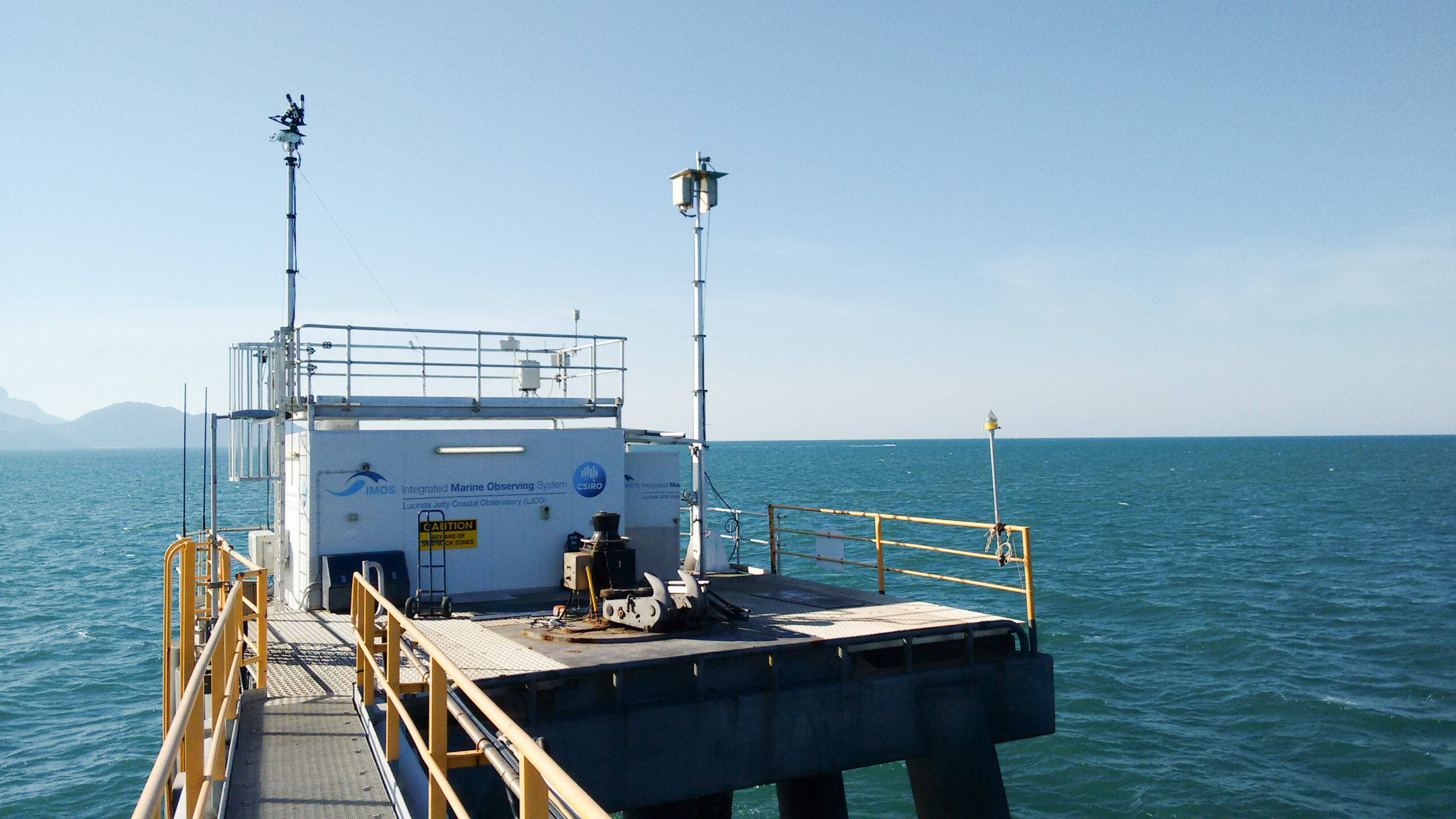
Ocean Colour
Ocean colour measured from space using satellite remote sensing, provides information on suspended particles within the water that alter the absorption and reflection of light. These changes in ocean colour is often used to infer the concentration of phytoplankton, however based upon their interactions with light, particulate organic matter and particulate inorganic matter is also…
-
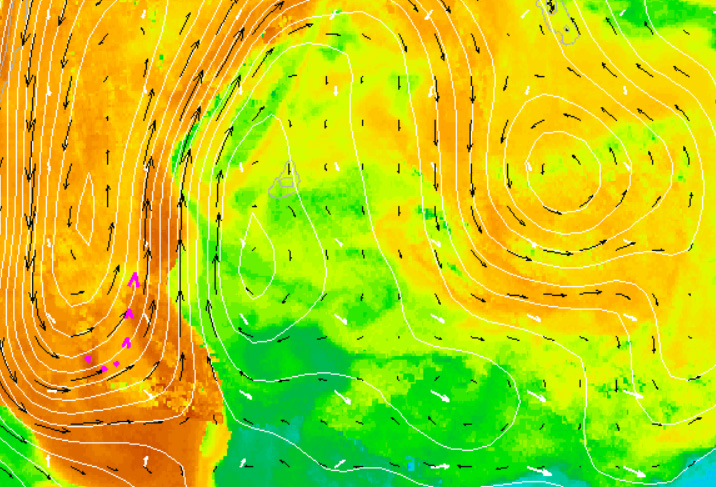
Sea Surface Temperature Products
The Sea Surface Temperature (SST) Satellite Remote Sensing Sub-Facility in a collaborative effort with the Australian Bureau of Meteorology produce high-resolution satellite sea surface temperature (SST) products over the Australian and Southern Ocean regions, designed to suit a range of operational and research applications. All these products follow the latest International Group for High Resolution…
-
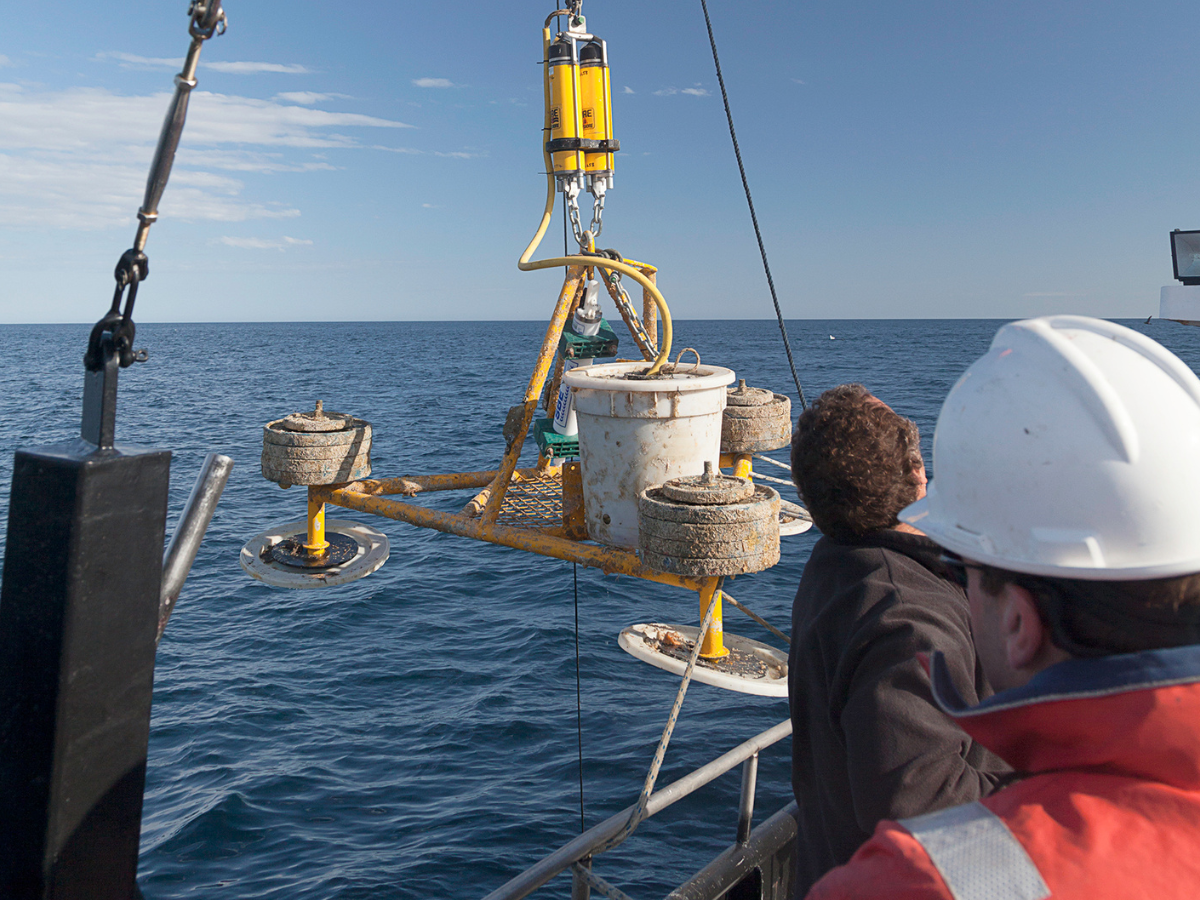
Satellite Remote Sensing
Earth observing satellites provide a uniquely efficient means of making repetitive observations automatically over vast areas of the world’s oceans. Although confined to the surface layer, over the past 30 years these observations have been a vital tool for both biological and physical oceanographers and have played a key role in advancing both sciences. Objective…
-

Larval Fish
Larval fish are sensitive to environmental changes, with many oceanographic processes influencing their distribution, abundance and survival. Most fish species have eggs and larvae that are easily sampled with plankton nets in the upper layers of the ocean making them easy to sample with existing sampling methods. The ease of capture and their sensitivity to…
-
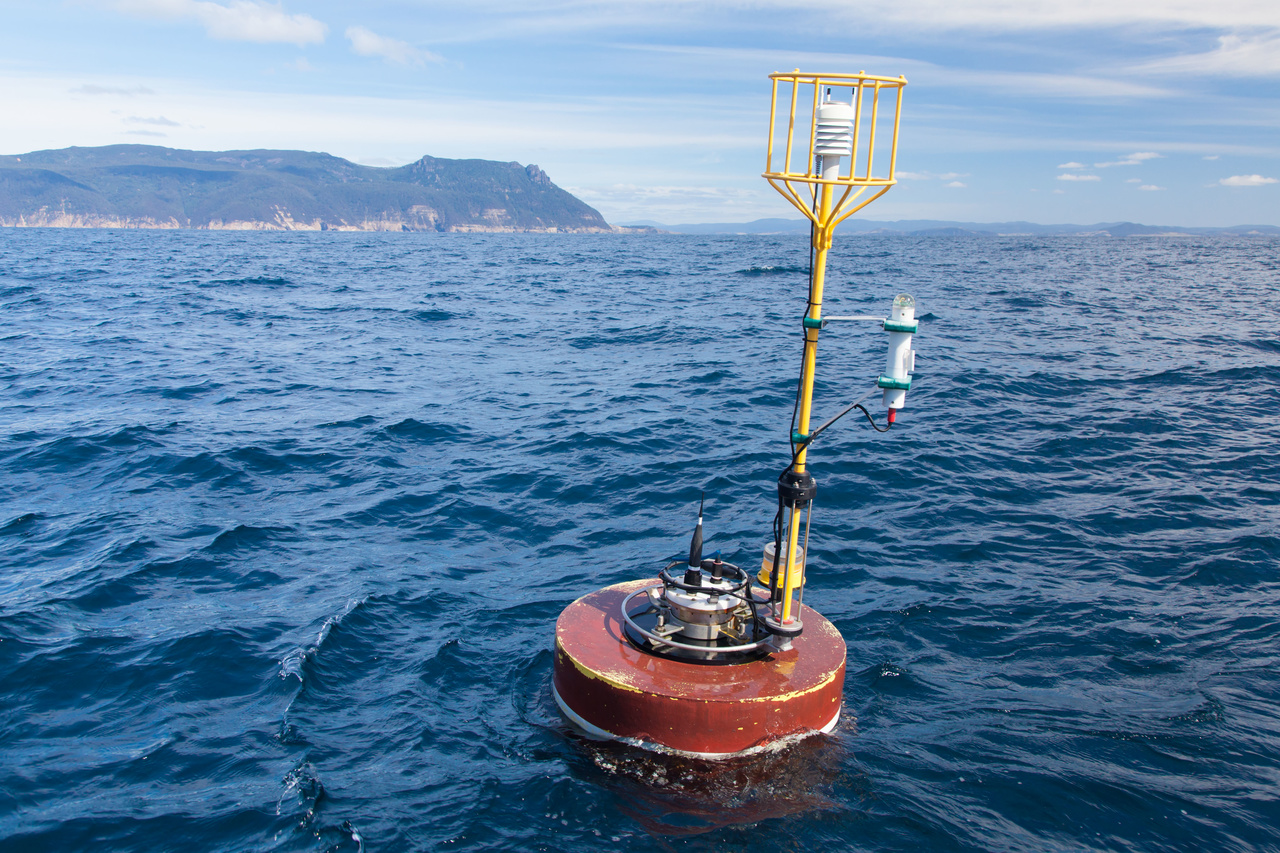
National Reference Stations
National Reference Stations provide fundamental baseline information used to understand how large-scale, long-term climate change and variability is affecting Australian coastal seas. In addition to the continuous monitoring of physical oceanic properties of the moorings, these sensor-based observations are combined with vessel-based biogeochemical sampling on a monthly basis (for most locations). Data Deployments A current…
-
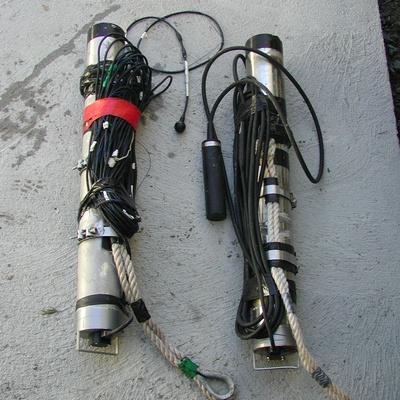
Acoustic Observatories
Acoustic Observatories use an array of noise loggers that employ hydrophones moored to the sea floor. These specially designed noise loggers record all underwater noise including sound from natural oceanic processes, animals and man-made sources. This ambient noise provides the ability to detect important underwater events and detect the presence of different fish and mammal…