
Category: IMOS
-
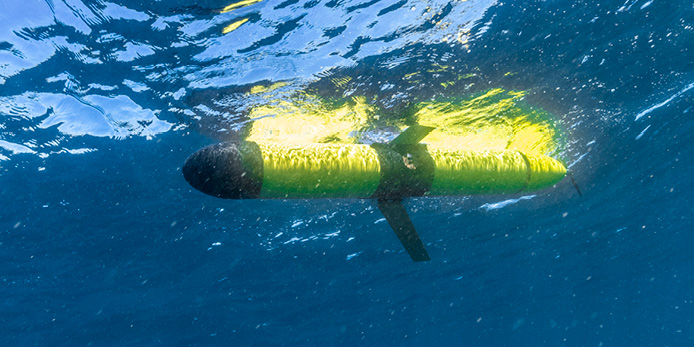
Working together on sea Country through ocean glider deployments
As Australia celebrates NAIDOC Week 2026 and this year’s theme, “50 Years of Deadly”, IMOS is recognising the partnerships that bring people together on sea Country. Through collaborations between Traditional Owner organisations, local operators and researchers, ocean observing activities are creating opportunities for participation, learning and shared stewardship of Australia’s marine environment. The Great Barrier…
-
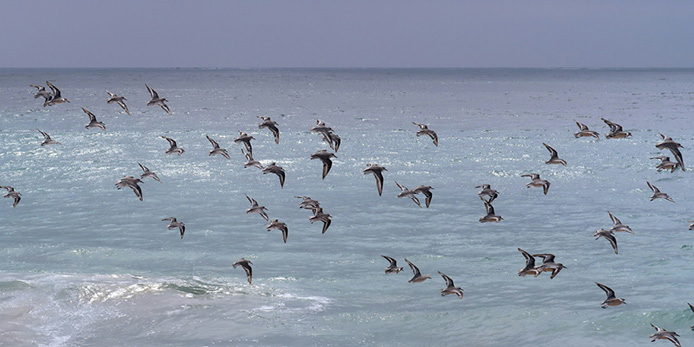
Bringing decades of seabird observations together in one assessment-ready dataset
Seabirds are among the most wide-ranging animals on the planet, travelling vast distances across oceans and connecting marine ecosystems across regions and hemispheres. Understanding where seabirds occur, how their distributions change over time, and how they respond to environmental pressures is critical for marine conservation and ecosystem management. As part of the National Environmental Science…
-
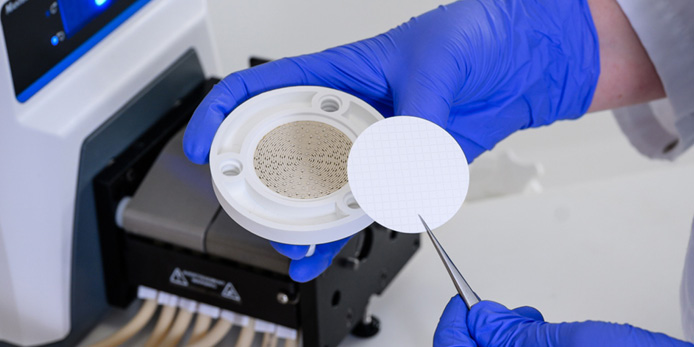
World Microbiome Day: Tiny ocean life, big impact
World Microbiome Day is an opportunity to celebrate the microscopic organisms that underpin life on Earth, including the vast communities of microbes that help keep our oceans healthy and productive. Across Australia, the IMOS National Reference Stations provide long-term observations of marine microbial communities, helping scientists understand how these microscopic organisms vary between regions and…
-
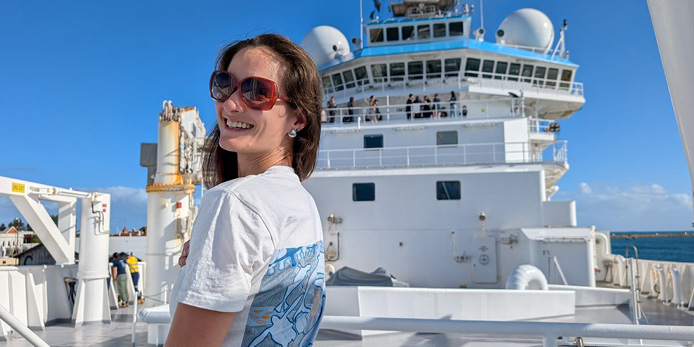
Supporting future ocean science through CAPSTAN
Dr Natalia Ribeiro Santos, IMOS Science Officer, recently had the incredible opportunity to serve as the Co-Chief Scientist on the CAPSTAN voyage aboard CSIRO research vessel (RV) Investigator. CAPSTAN, the Collaborative Australian Postgraduate Sea Training Alliance Network, is a maritime education and training initiative of CSIRO, the University of Tasmania’s Institute for Marine and Antarctic Studies (IMAS) and…
-
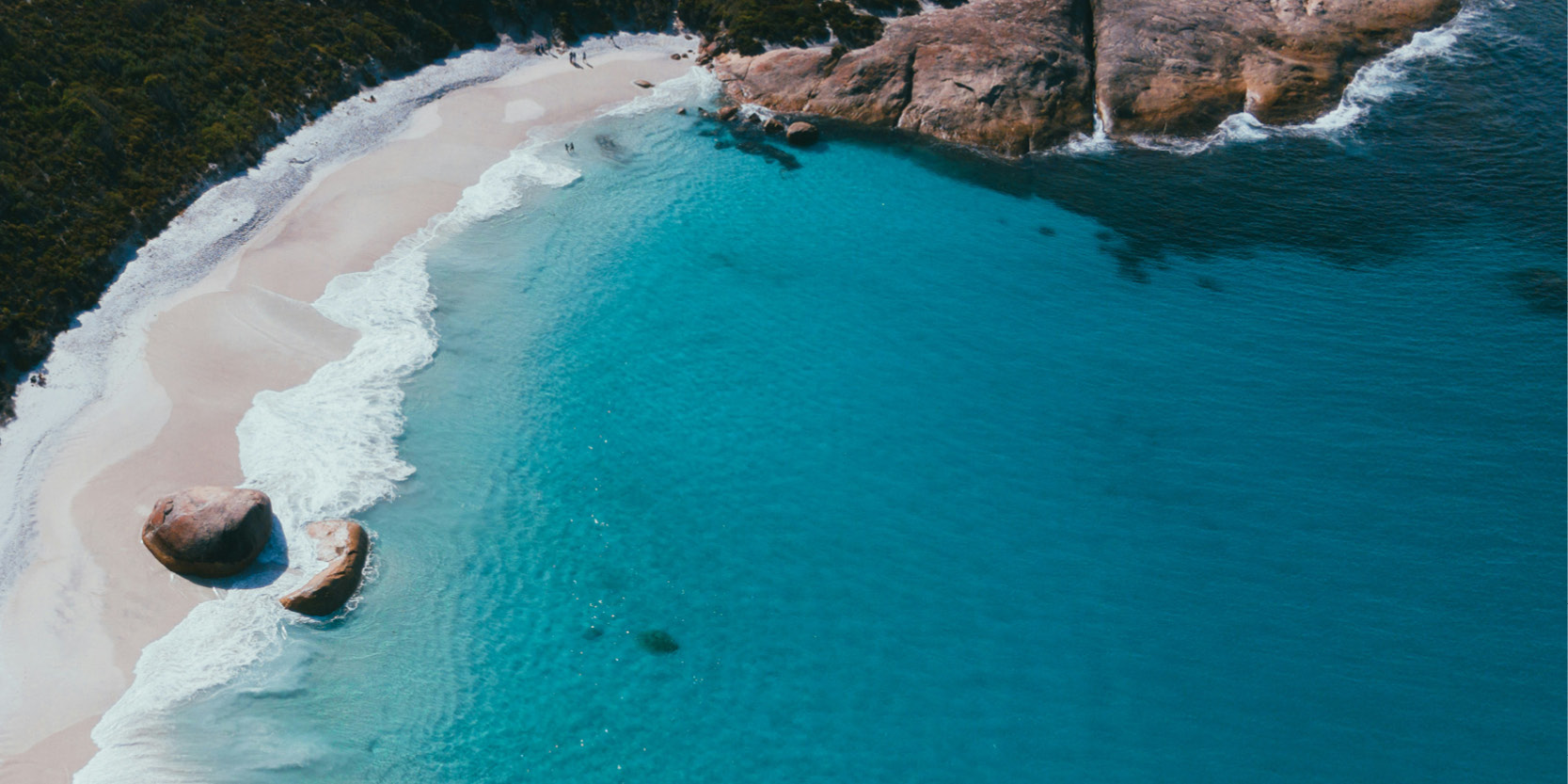
Making marine environmental data more assessment-ready
Australia’s marine research system generates vast volumes of high-quality data, held across national institutions and programs. However, these datasets are not always readily usable for applications such as State of the Environment reporting, environmental approvals or economic accounting. This creates inefficiencies and limits timely, informed decision-making. A project developed as part of the IMOS Data…
-
International Day of Women and Girls in Science 2026
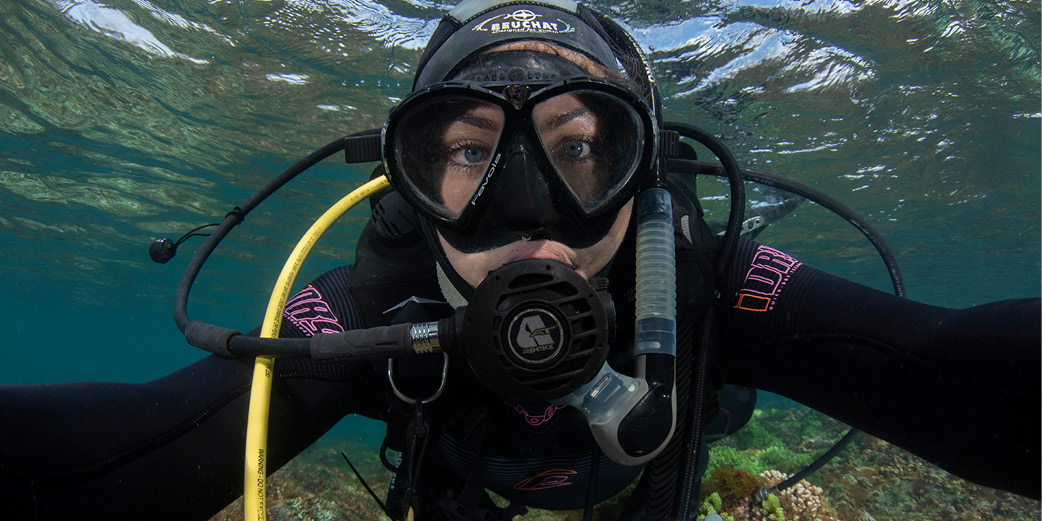
The United Nations International Day of Women and Girls in Science is on the 11th February. Join us as we celebrate the inspiring women scientists of IMOS and get to know Miwa Takahashi and Antonia Cooper. Miwa Takahashi Who are you and what is your role in IMOS? I am a marine biologist and molecular…