
Southern Ocean Time Series Observatory
Southern Ocean Time Series Observatory
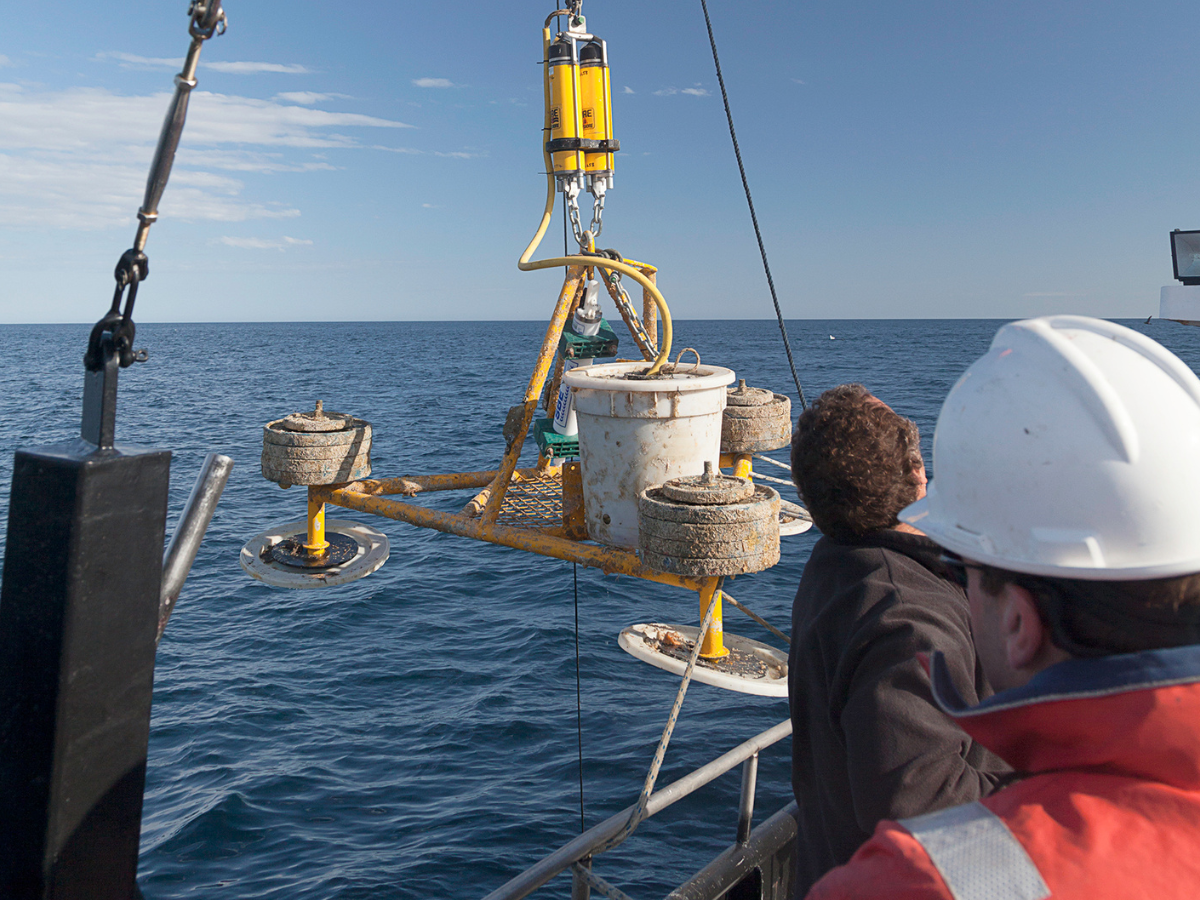
The Southern Ocean is an important part of the global climate system, absorbing carbon dioxide and heat to moderate the earth’s atmosphere. The Southern Ocean Time Series Observatory uses a set of automated moorings to measure these processes under the extreme conditions in the Southern Ocean, where they are most intense and least studied. The processes occur on many timescales, from the day-night cycle up to ocean basin decadal oscillations, which requires high frequency observations sustained over many years.
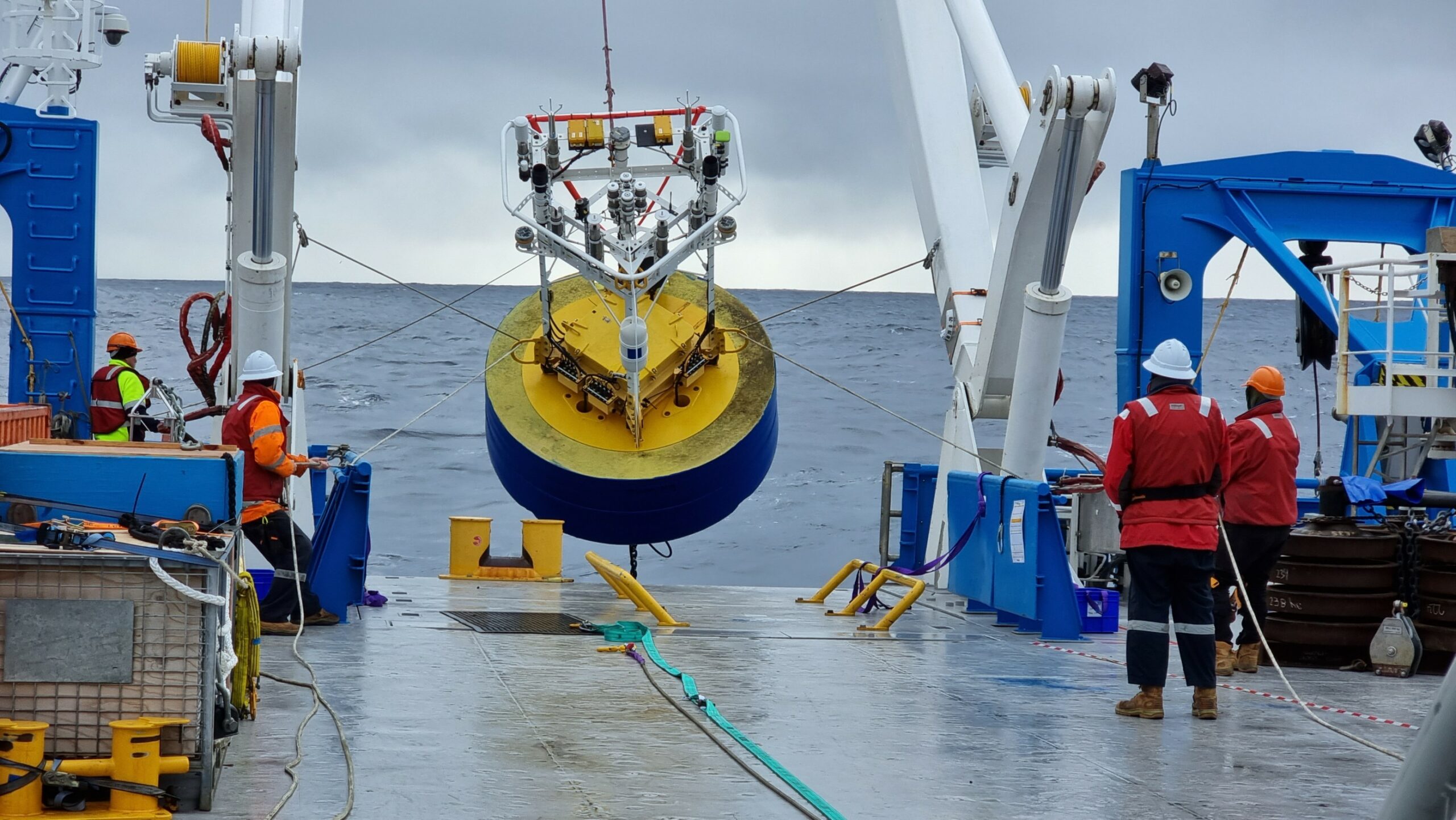
 David Flynn, CSIRO
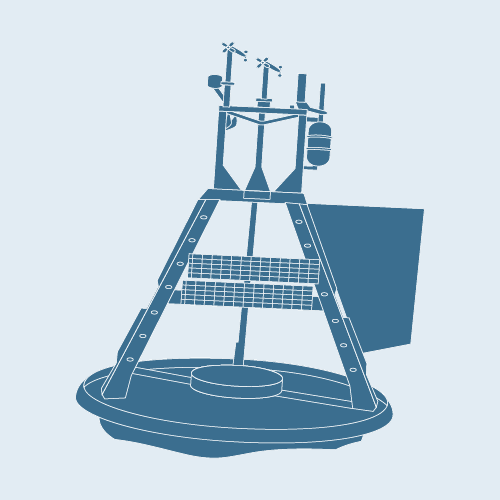
How it works
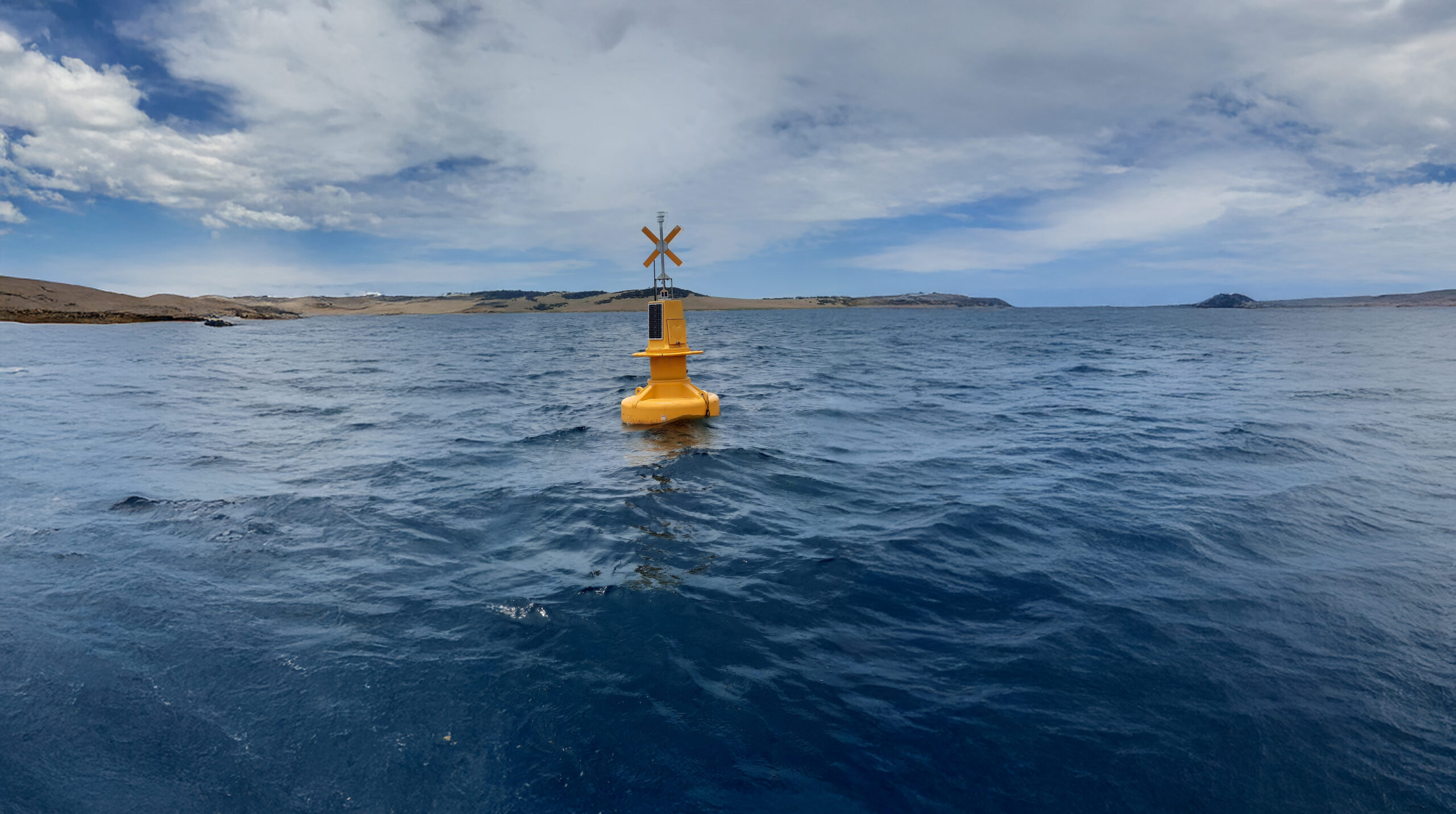
The Southern Ocean Time Series (SOTS) site southwest of Tasmania is comprised of several elements including a deep ocean sediment trap mooring (SAZ), a surface biogeochemistry mooring (Pulse) and an air-sea flux mooring (SOFS). Located in the sub-Antarctic Zone (140°E, 47°S), the site is particularly vulnerable to the extreme weather events that typify the area including very large waves, strong currents and severe storms, presenting significant technical and engineering challenges.
Data collection
Data collected from the Pulse and SOFS are relayed back by satellite. The sub-surface data is stored and downloaded when the moorings are retrieved (approximately a year later). The Southern Ocean Time Series is an Australian contribution to the international OceanSITES global network of time series observatories and is one of the few comprehensive Southern Ocean sites globally.

Why it’s important
The Southern Ocean (south of 30°S) is responsible for ~40% of the total global ocean uptake of human-induced CO2 emissions, and 75% of the additional heat that these emissions have trapped on Earth. The Southern Ocean Time Series (SOTS) site is focused on the sub-Antarctic Zone because waters formed at the surface in this region, the Sub-Antarctic Mode and Antarctic Intermediate waters, slide under warmer subtropical and tropical waters and carry this CO2 and heat into the deep ocean, out of contact with the atmosphere. This process also supplies oxygen for deep ocean ecosystems, and exports nutrients that fuel ~70% of global ocean primary production. The sub-Antarctic Zone and these processes are expected to change with global warming, but the potential impacts of these changes are not yet known.










Useful information
Deployments
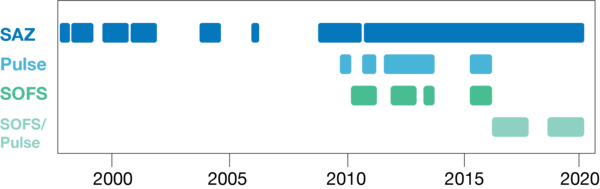
There has been an evolution of the Southern Ocean Time Series Observatory, with the deployment of the sediment trap mooring in 1998 marking the true beginnings of this valuable Southern Ocean Time Series. The biochemical pulse mooring first deployed in 2007 and air-sea flux mooring shortly after in 2010 established the integrated observing system that exists today, characterising the large range of biogeochemical, physical and biological processes of the Southern Ocean.
Schematics for all deployments of moorings that comprise the Southern Ocean Time Series Observatory can be accessed and downloaded here.
Note: In 2016, the Pulse and air-sea flux moorings were combined into a single mooring, increasing the capacity to routinely service these moorings.
Operating institution
Co-investors
Marine National Facility · National Oceanic and Atmosphere Administration · University of Tasmania







Acknowledging IMOS
Users of IMOS data are required to clearly acknowledge the source material by including the following statement:
Australia’s Integrated Marine Observing System (IMOS) is enabled by the National Collaborative Research Infrastructure Strategy (NCRIS). It is operated by a consortium of institutions as an unincorporated joint venture, with the University of Tasmania as Lead Agent.