
Region: Western Australia
-
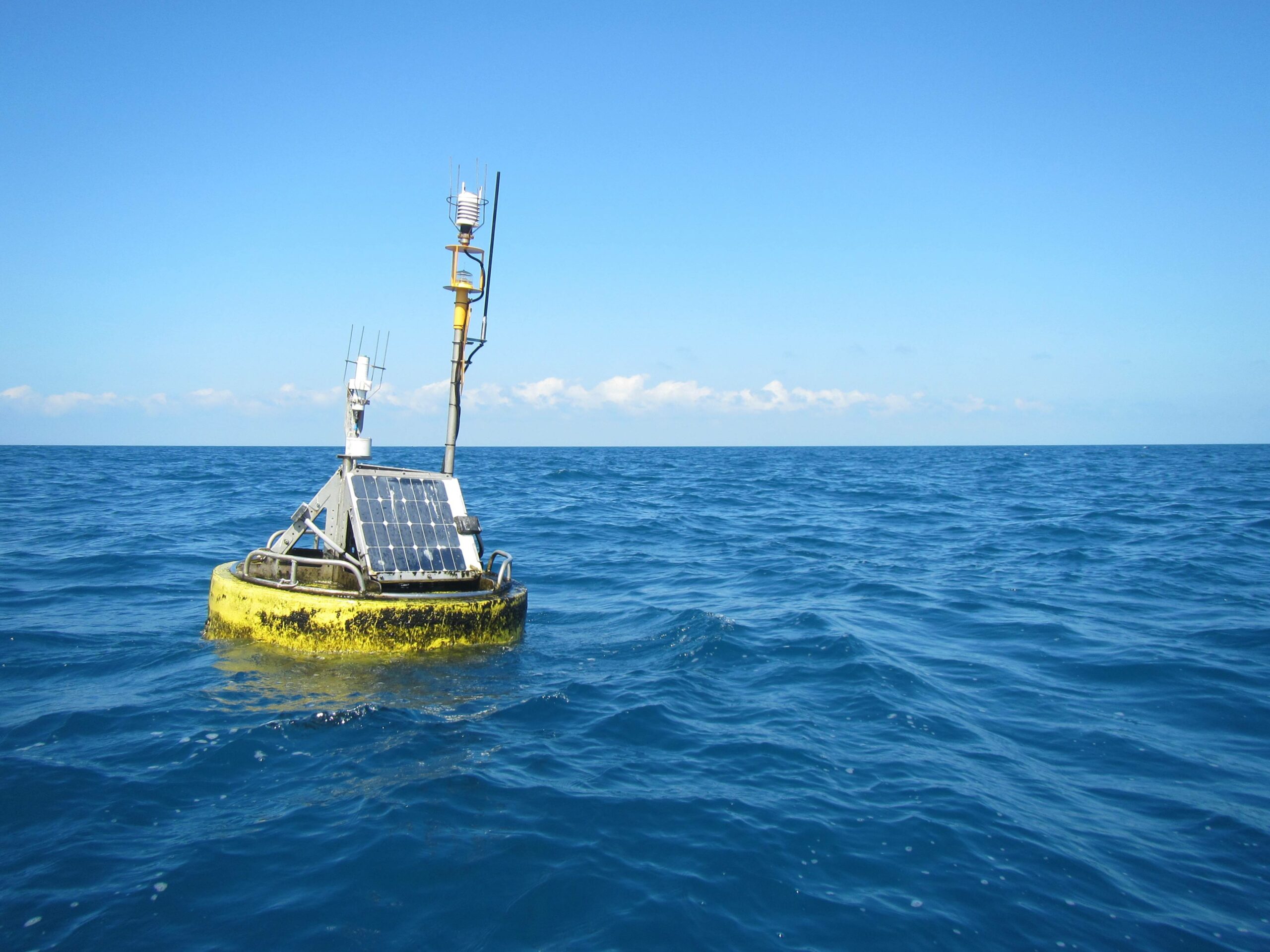
National Mooring Network
The National Mooring Network is a collection of mooring arrays strategically positioned in Australian coastal waters. The National Mooring Network measures physical and biological parameters, and includes regional arrays of shelf moorings, acidification moorings, acoustic observatories and a network of National Reference Stations that include additional vessel-based sampling. Locations Currently eight National Reference Stations are…
-

Autonomous Underwater Vehicles
Autonomous Underwater Vehicles or AUVs are unmanned vehicles that operate independently and under their own power. While very large-scale surface processes can be easily addressed by both remote sensing and ship-borne systems, characterisation of seafloor processes is often unachievable by these traditional methods. AUVs are effective for rapid and cost-effective high-resolution, accurately geo-referenced and targeted…
-
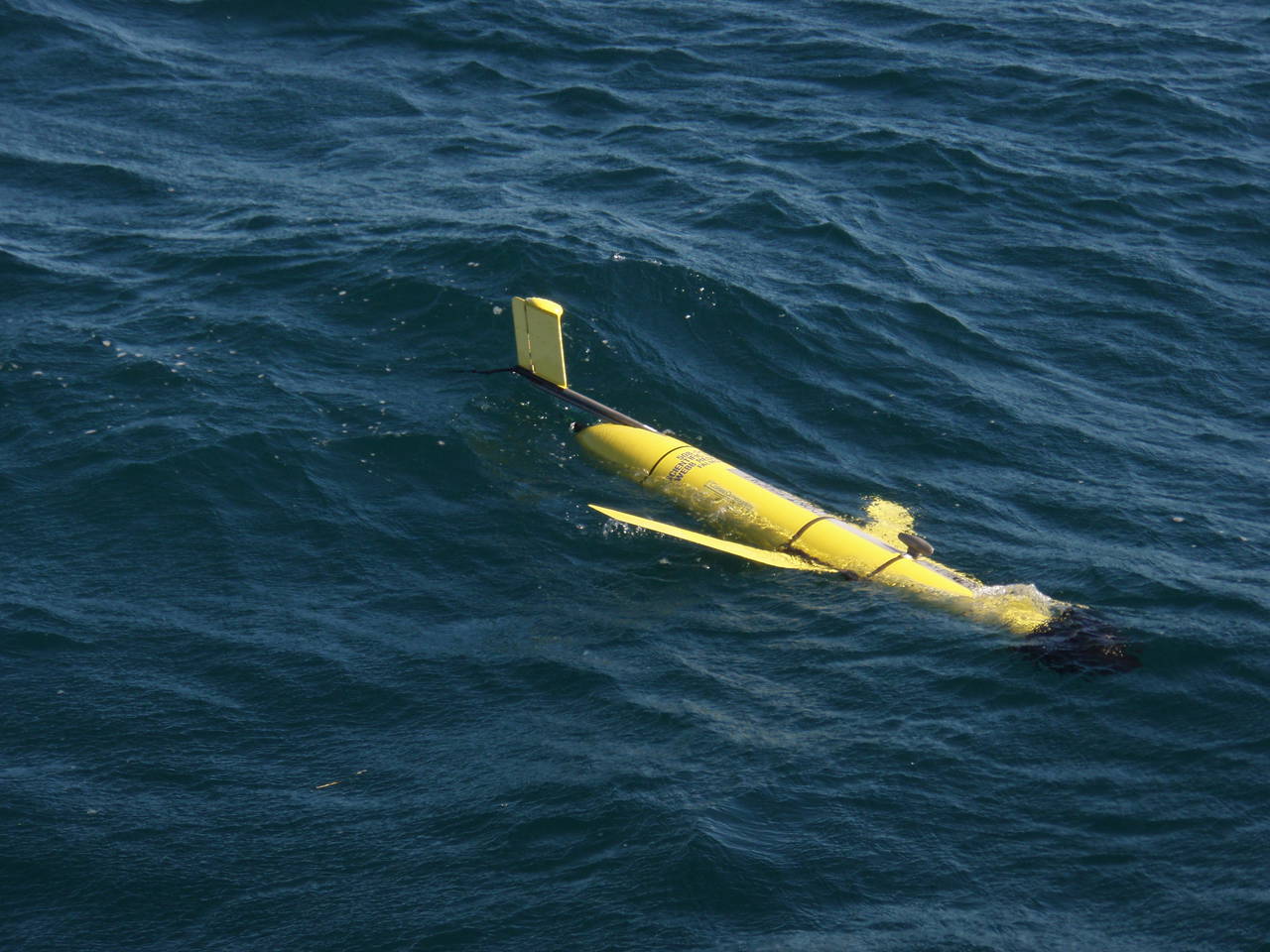
Ocean Gliders – Onslow, Western Australia
Onslow Ocean Gliders is an extension of the IMOS Ocean Gliders Facility with the aim of monitoring Australia’s Northwest shelf. This region is important to Australia’s Bluewater economy, with high activity of shipping, oil and gas, commercial fishing and tourism in the area. The regular deployment of Ocean Gliders provides high-resolution information on the ocean…
-

Event Based Sampling
The IMOS Event Based Sampling sub-Facility uses Ocean Gliders to monitor marine events in Australian coastal waters, with up to eight deployments per year. Targeted events that IMOS could monitor include marine heatwaves, river outflows due to floods, marine cold spells, harmful algal blooms and extreme weather events such as tropical storms and cyclones. Data…
-
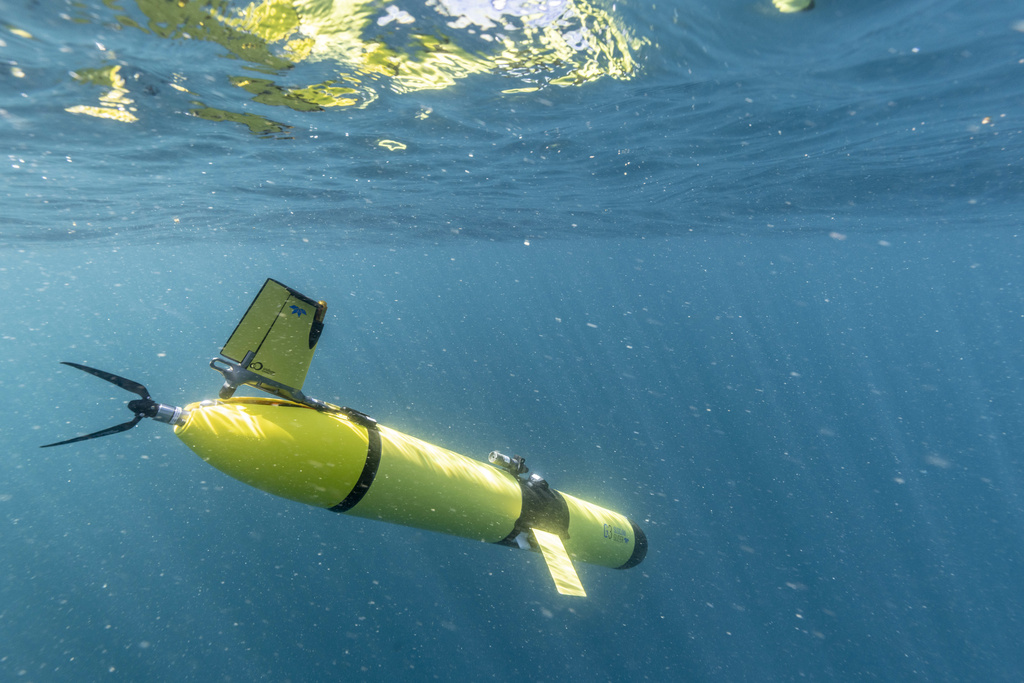
Ocean Gliders
Ocean gliders are autonomous underwater vehicles that propel themselves with changes in buoyancy, ascending and descending through the water column. The gliders are relatively cheap, reusable and can be remotely controlled, making them a relatively cost-effective method for collecting repeat subsurface ocean observations. Locations The use of these contemporary gliders provides a unique opportunity to…
-
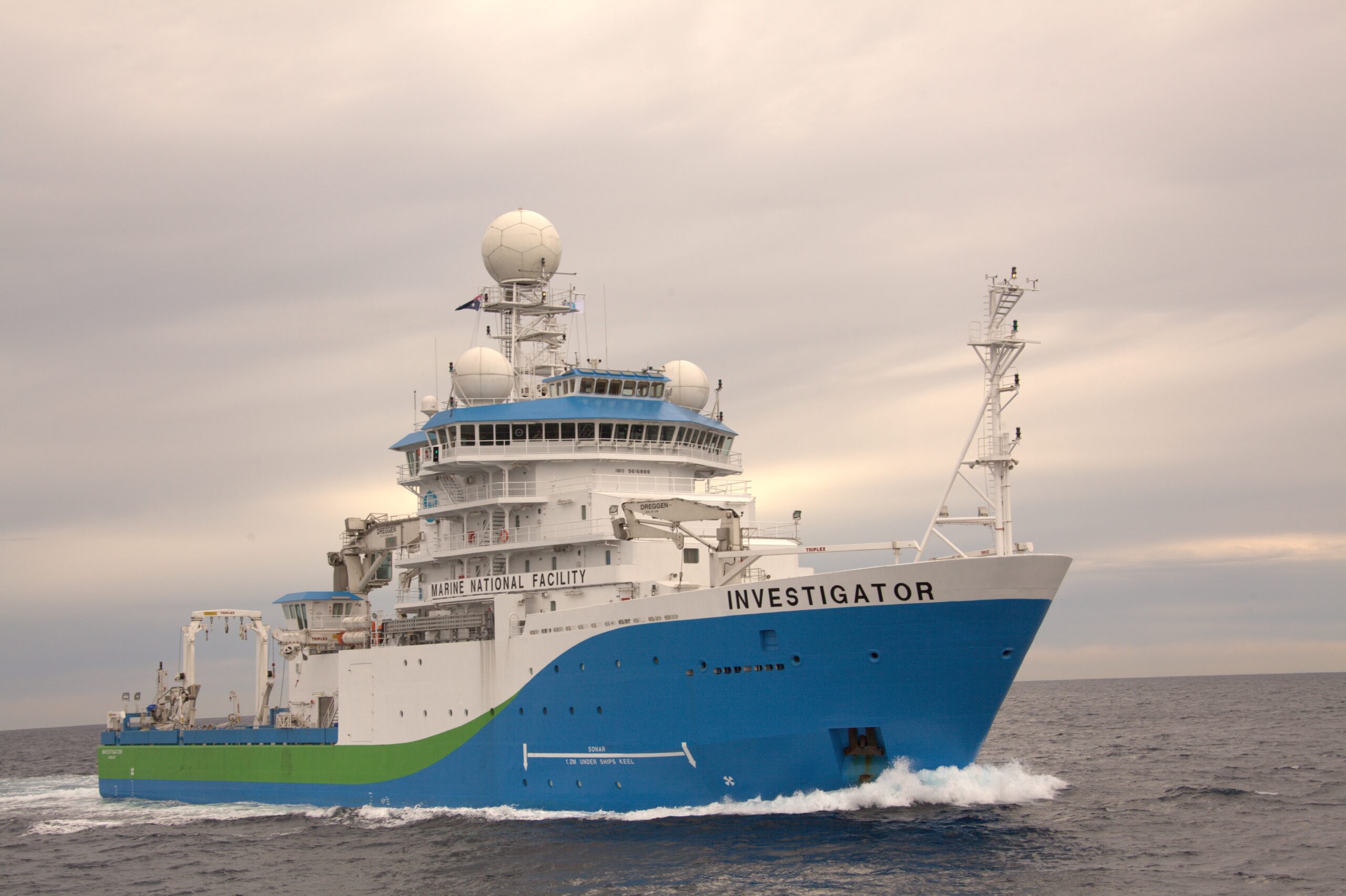
Research Vessels Real-Time Air-Sea Fluxes
Air-sea fluxes, the exchange between the atmosphere and the ocean, play an important role in the global climate. Mapping these fluxes is therefore vital to understanding the role of the ocean in climate variability, carbon levels, ecosystems and coastal environments. Research Vessel Real-Time Air-Sea Fluxes uses autonomous instrumentation to monitor important meteorological and ocean surface…