
Region: Queensland
-
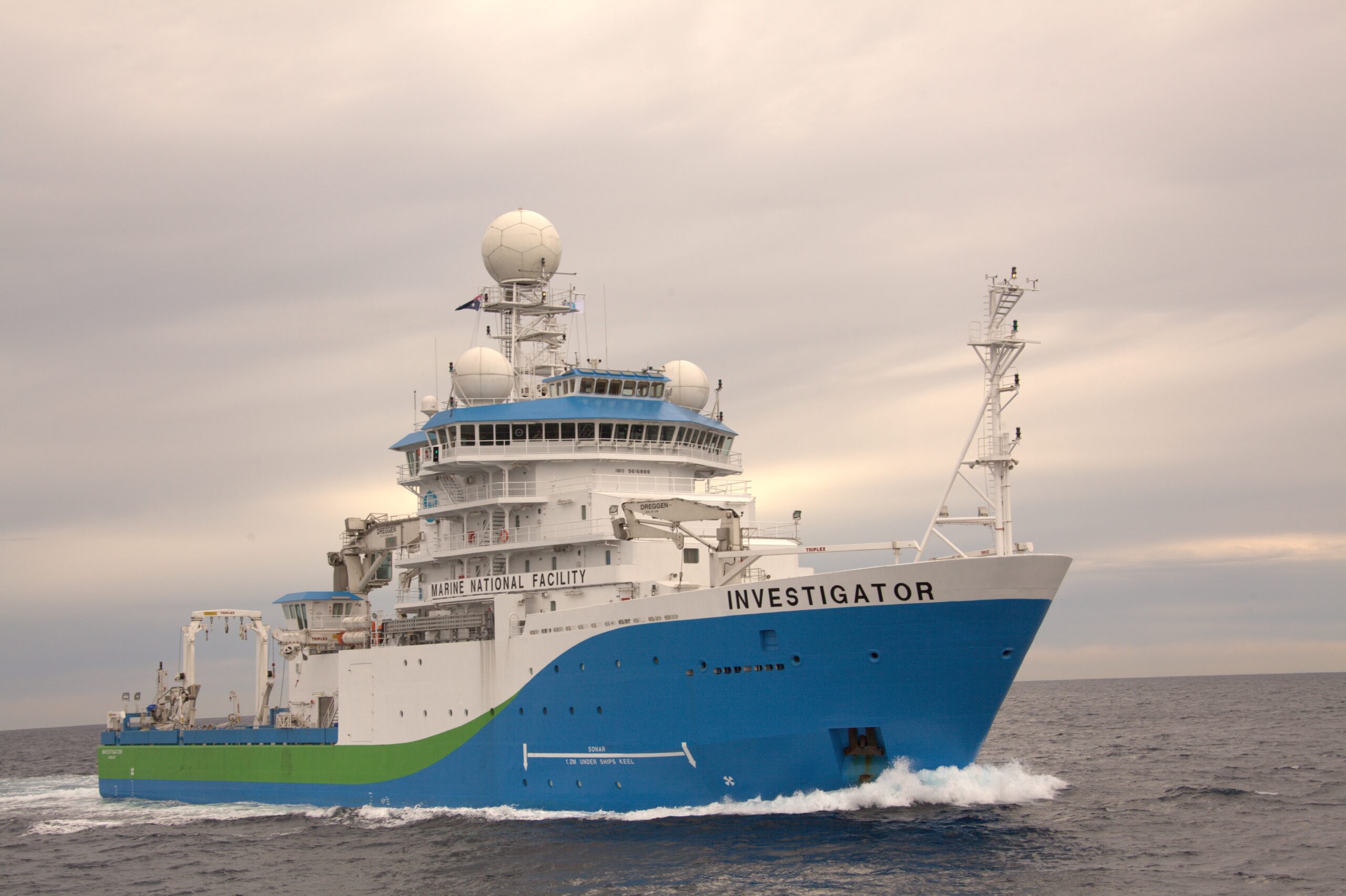
Research Vessels Real-Time Air-Sea Fluxes
Air-sea fluxes, the exchange between the atmosphere and the ocean, play an important role in the global climate. Mapping these fluxes is therefore vital to understanding the role of the ocean in climate variability, carbon levels, ecosystems and coastal environments. Research Vessel Real-Time Air-Sea Fluxes uses autonomous instrumentation to monitor important meteorological and ocean surface…
-
Sea Surface Temperature Sensors for Australian Vessels
Remotely sensed sea surface temperature data is important for ocean, weather, seasonal and climate models. In order to provide the validation of satellite measured sea surface temperature and ocean models in the Australian region, there is a need for high quality, in situ sea surface temperature observations. Simple hull contact sensors are placed on the…
-
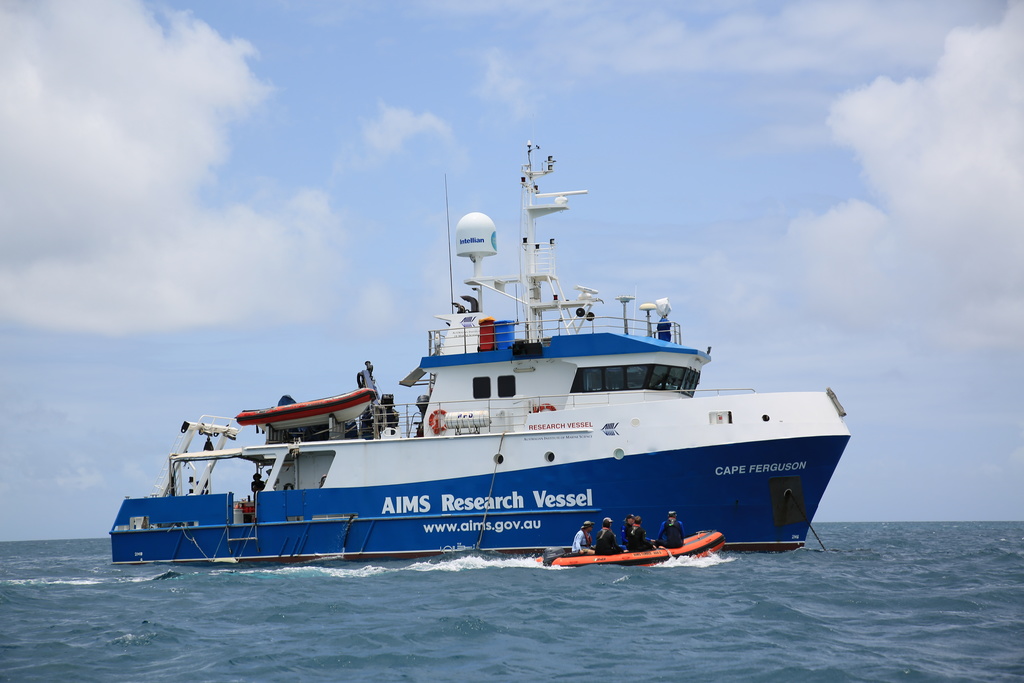
Sensors on Tropical Research Vessels
AIMS research vessels the RV Solander and the RV Cape Ferguson operate across Australia’s vast tropical waters, including the North West Shelf, Northern Territory, the Gulf of Carpentaria, Torres Strait, and along the Great Barrier Reef. A set of automated sensors are installed on the ships to measure near-surface water properties, including temperature, salinity, chlorophyll…
-
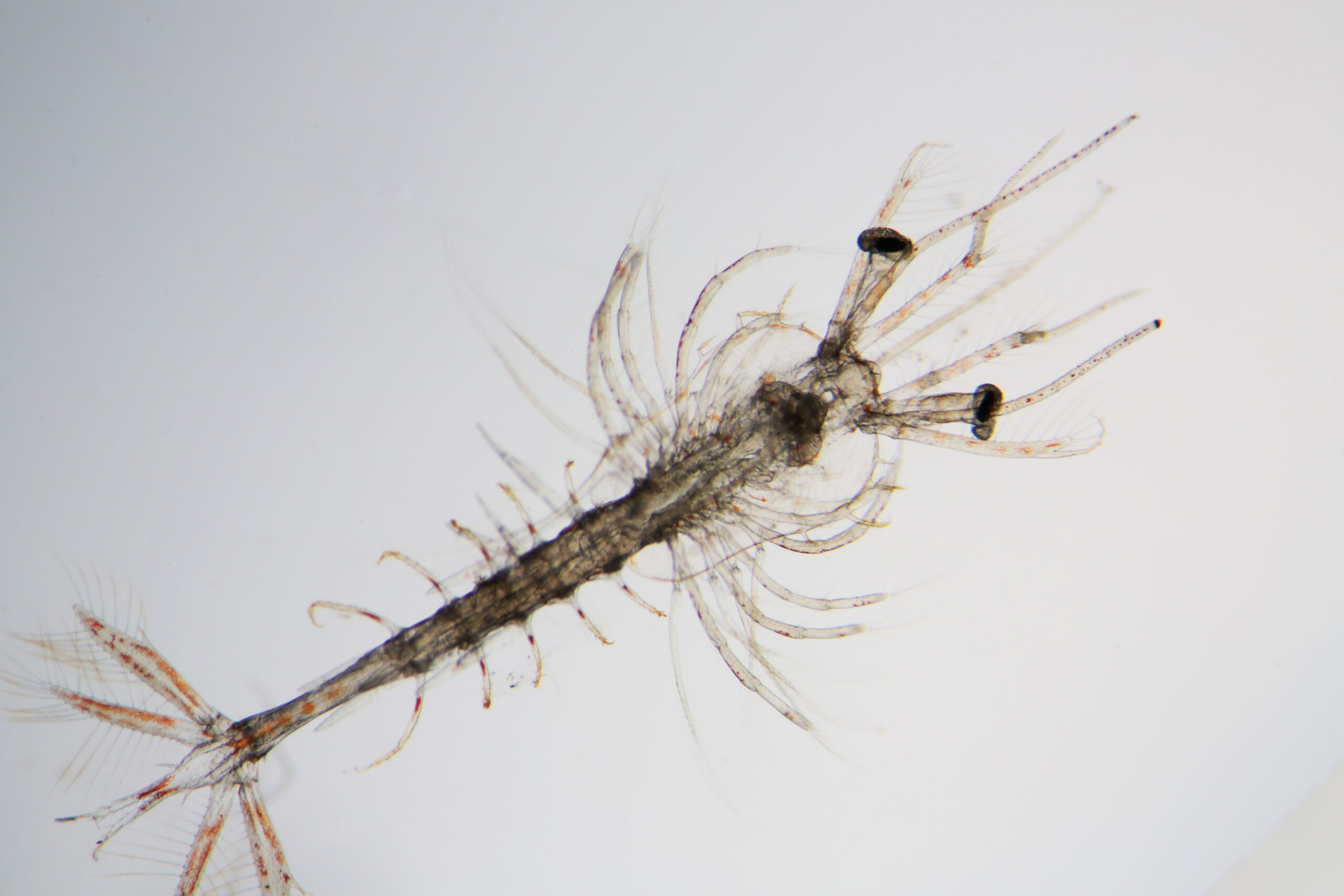
Australian Plankton Survey
The Australian Plankton Survey measures plankton communities around Australia using Continuous Plankton Recorders (CPRs). Being small and free-floating, plankton are useful indicators of ecosystem health and changes. The long-term datasets of Australian plankton sampled and processed by the Australian Plankton Survey provide researches and policymakers with environmental and climatic indicators, harmful algal bloom detection, eutrophication…
-
Biogeochemical Sensors
Biogeochemical Sensors collect high-quality underway CO2 observations from ships specially fitted with CO2 underway systems. Biogeochemical Sensors increase the spatial coverage of CO2 observations in both Australian waters and the Southern Ocean, complementing data collected by moorings (Acidification Moorings and Southern Ocean Time Series Observatory). How it works IMOS uses ships that routinely undertake the same voyage tracks,…
-
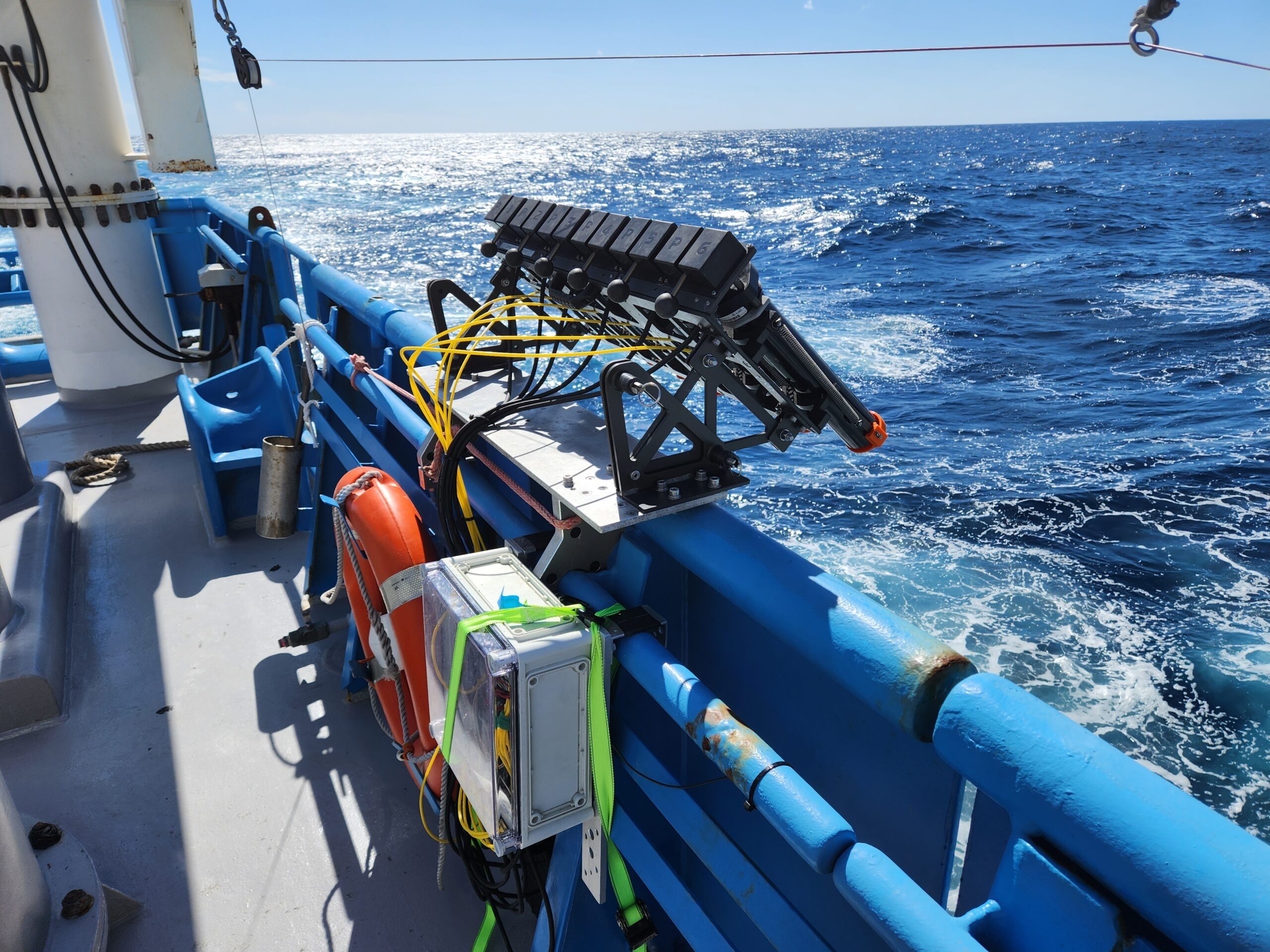
Expendable Bathythermographs
Expendable Bathythermographs (XBTs) are single-use instruments that are used to measure temperature profiles of the ocean. XBTs are launched from hand-held units, connected to the XBT itself by a thin copper wire that allows temperature data to be directly transmitted as the XBT sinks (up to 800 m). After the length of the copper wire…