
Category: 20th Anniversary
-
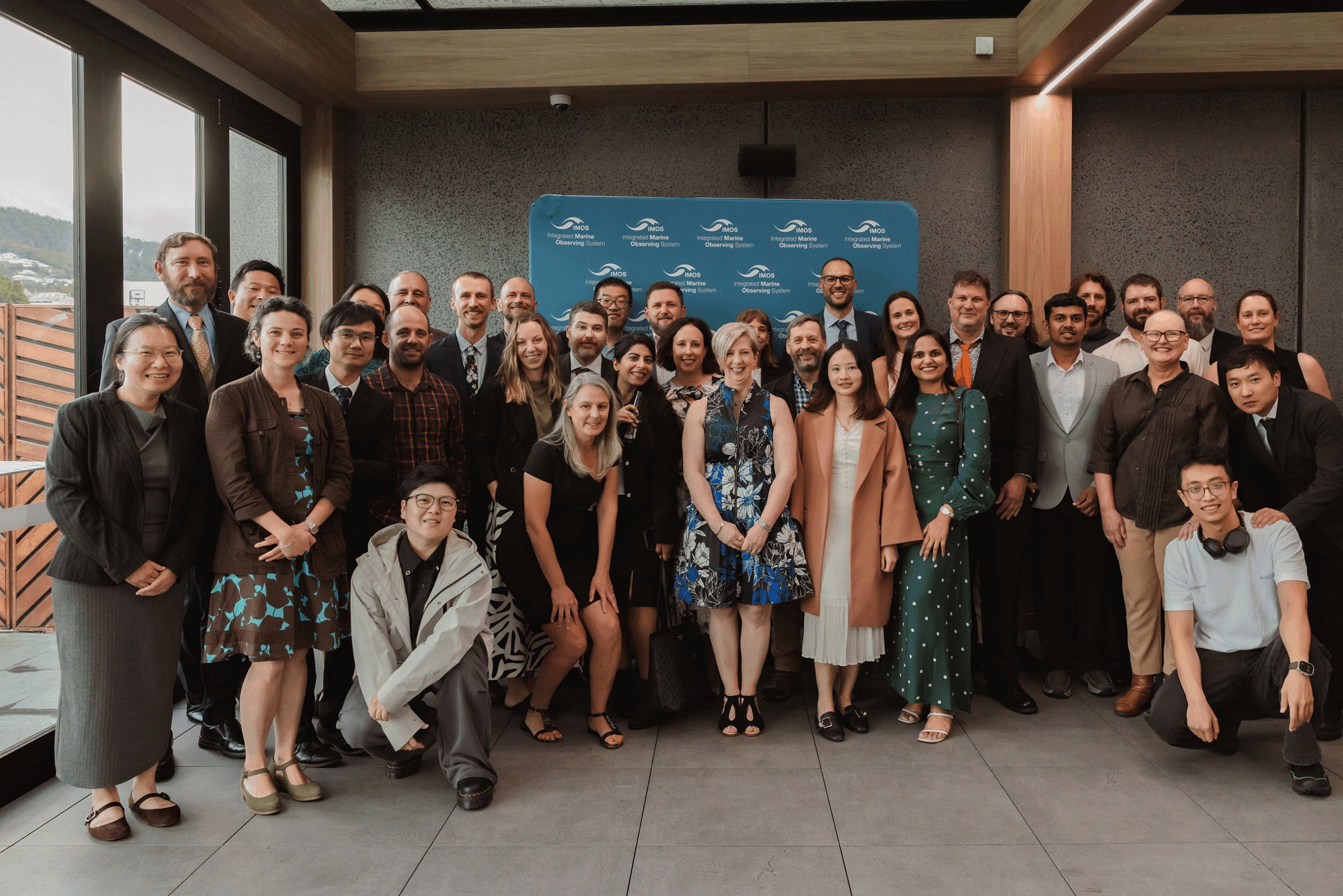
Connecting Australia’s ocean data through the IMOS Australian Ocean Data Network
For more than 20 years, the IMOS Australian Ocean Data Network (AODN) has been helping turn Australia’s ocean observations into accessible, trusted and reusable information. The IMOS AODN brings together marine data from across Australia, connecting observations from platforms including moorings, autonomous vehicles, satellites and animal-borne instruments. Today, the network provides access to more than…
-
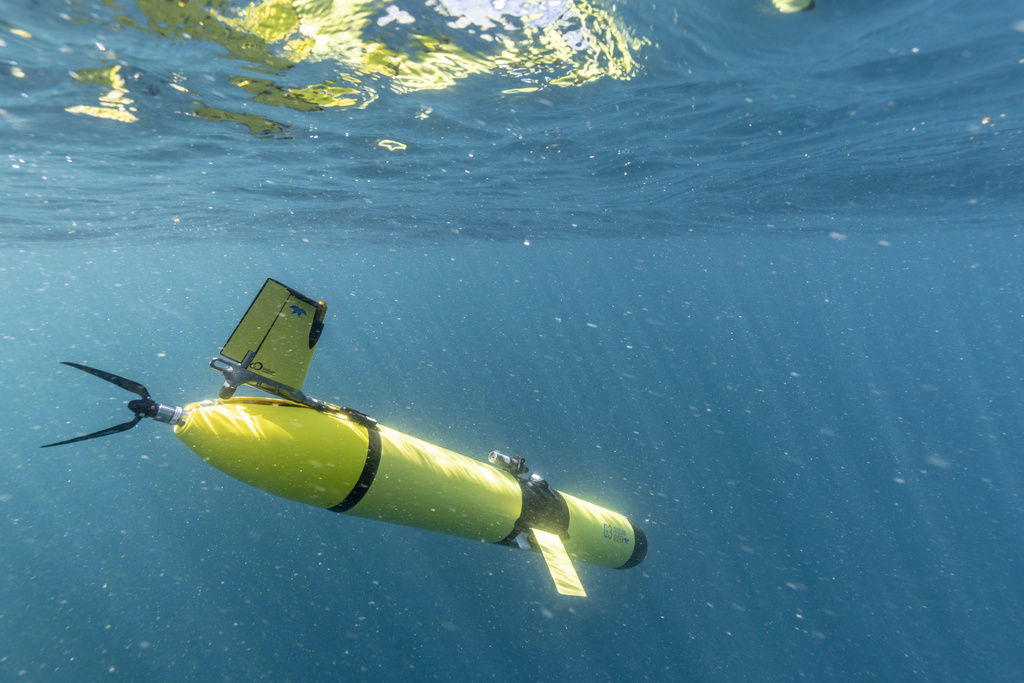
From Lab to Ocean: The Life of a Glider
As IMOS continues to celebrate its 20th anniversary, a new behind-the-scenes video highlights the people and processes that make the IMOS Ocean Glider Facility possible. The Facility has launched the video to celebrate the opening of the International Underwater Glider Conference, hosted this week at The University of Western Australia (UWA) Oceans Institute. The Conference…
-
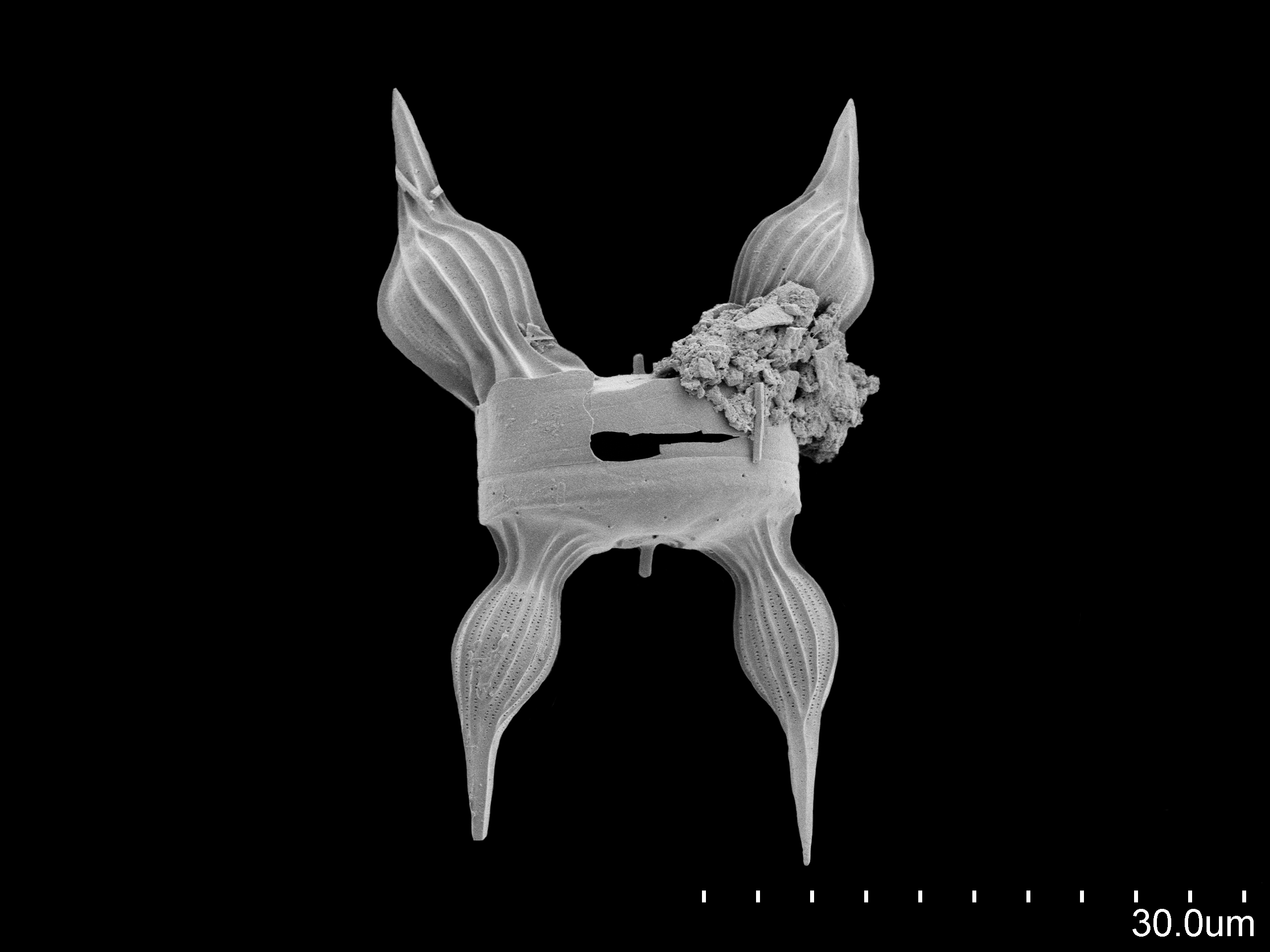
Long-term IMOS observations reveal changing Southern Ocean phytoplankton communities
New research using 10 years of long-term observations from the IMOS Southern Ocean Plankton sub-Facility has revealed an increase in phytoplankton abundance. Phytoplankton are microscopic marine organisms that form the foundation of Southern Ocean food webs. They are an important food source for Antarctic krill, which in turn support fish, seabirds, seals and whales. Changes…
-
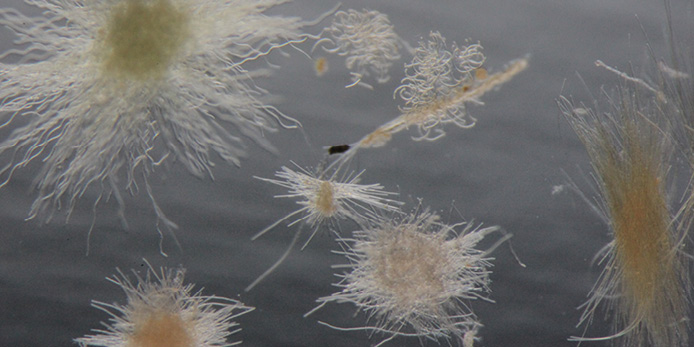
Long-term observations reveal increasing Trichodesmium in Australian waters
Long-term observations collected through the IMOS National Reference Stations (NRS) Facility are helping researchers uncover changes in one of the ocean’s most important nitrogen-fixing organisms. Trichodesmium is a filamentous cyanobacterium that converts nitrogen from the atmosphere into a form that can be used by other organisms. This makes it an important part of nutrient cycling,…
-
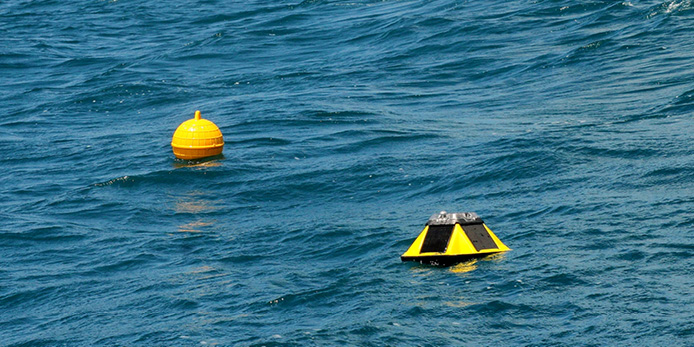
Building a national picture of Australia’s coastal waves
Waves are a fundamental component of the ocean–atmosphere system, transporting energy and momentum across the ocean and playing an important role in understanding climate variability. Accurate observations of coastal waves are critical for understanding and predicting coastal processes. Wave measurements are used to develop, validate and improve numerical models, support hazard forecasting and data assimilation,…
-
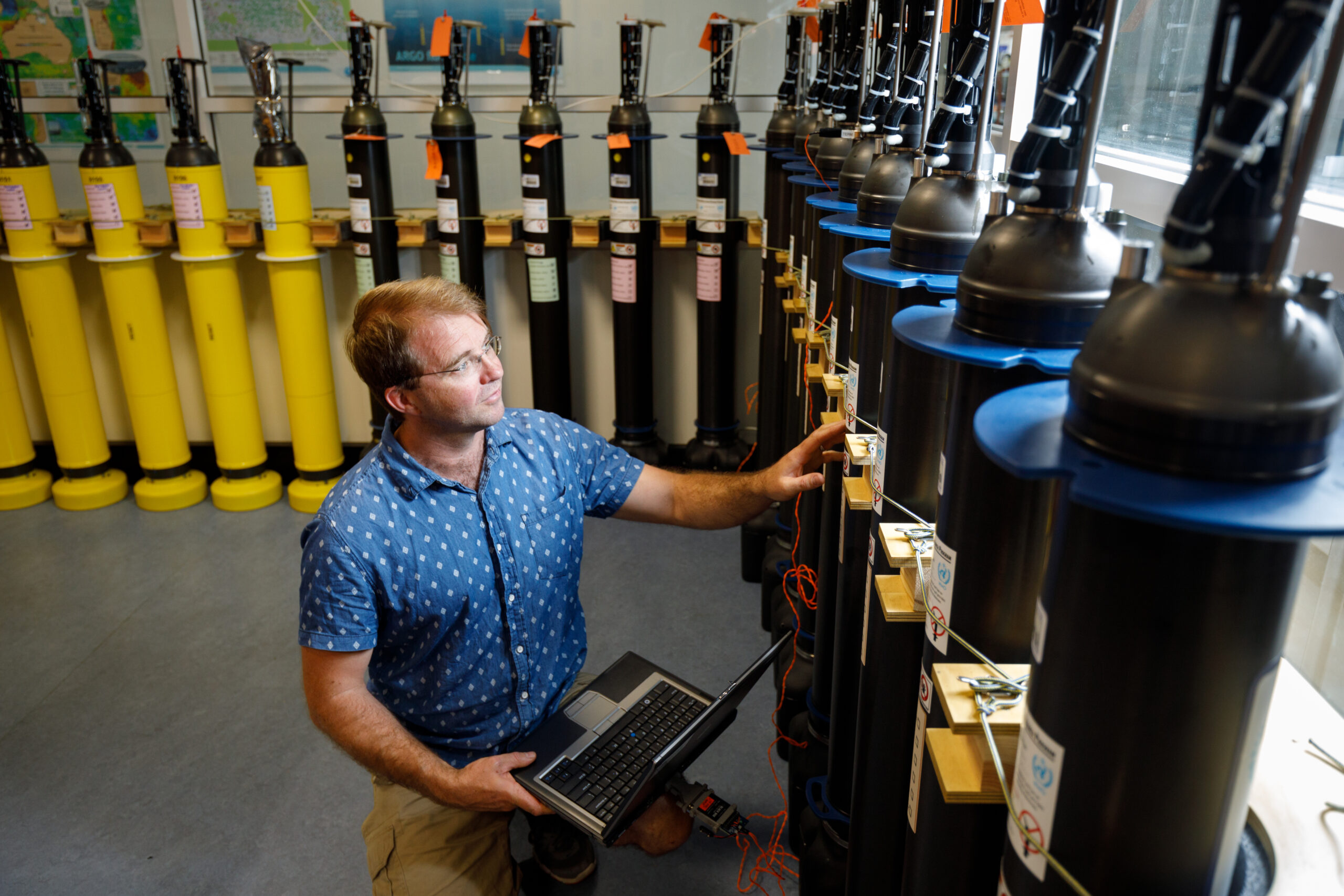
20 years of Argo: a significant contribution to global ocean observing through IMOS
For more than two decades, autonomous Argo floats have been transforming our ability to observe the ocean beneath its surface. Drifting through the upper ocean, Argo floats repeatedly profile from the surface to around 2,000 metres, measuring temperature, salinity and pressure before returning their observations by satellite. Biogeochemical Argo floats measure properties such as oxygen,…