
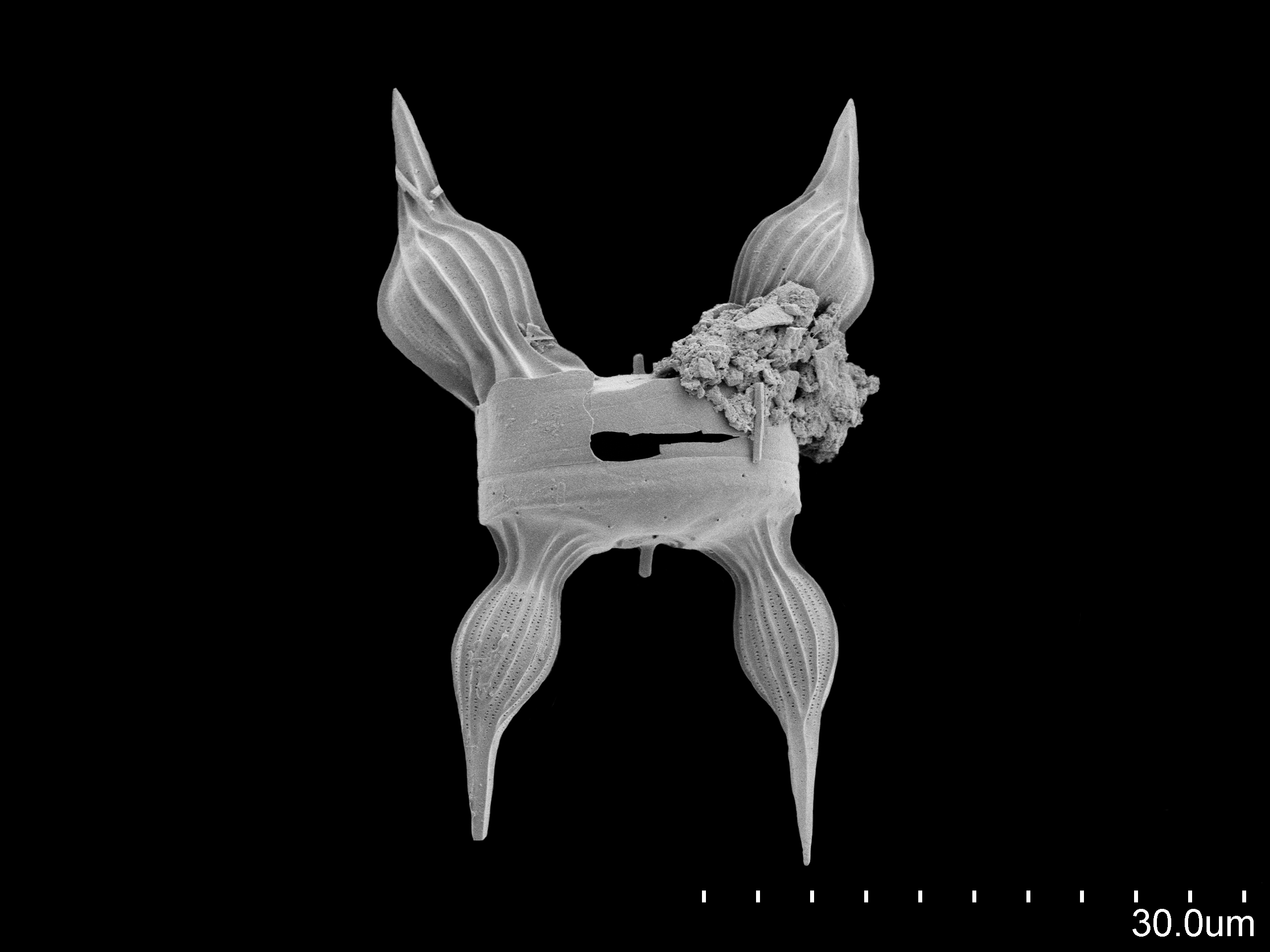
New research using 10 years of long-term observations from the IMOS Southern Ocean Plankton sub-Facility has revealed an increase in phytoplankton abundance.
Phytoplankton are microscopic marine organisms that form the foundation of Southern Ocean food webs. They are an important food source for Antarctic krill, which in turn support fish, seabirds, seals and whales. Changes in phytoplankton communities can therefore have consequences that extend throughout the marine ecosystem.
Researchers analysed 10 years of phytoplankton observations collected between 2007 and 2021 as part of the Southern Ocean Continuous Plankton Recorder (SO-CPR) program. The study found that both diatom and dinoflagellate abundance increased over the period, while the relative contribution of the two groups remained relatively stable.
The results also showed that individual phytoplankton groups responded differently to environmental conditions, including sea surface temperature. No single genus was responsible for the overall increase, suggesting a broader community response to changing environmental conditions rather than the expansion of one dominant group.
Building a long-term picture of the Southern Ocean
The findings would not have been possible without sustained observations across the Southern Ocean.
The SO-CPR program has operated since 1991, with phytoplankton observations added in 2007. A torpedo-shaped Continuous Plankton Recorder is towed behind ships travelling between Australia and Antarctica, collecting plankton continuously along the voyage.
This provides repeatable, large-scale sampling across a remote region that is otherwise difficult and costly to monitor. The resulting dataset is one of the longest and most spatially extensive records of plankton communities in the Southern Ocean.
The SO-CPR program is part of the IMOS Ships of Opportunity Facility. The Australian Antarctic Division (AAD) and the Australian Antarctic Partnership Program (AAPP) are collaborative partners in the program, with AAD supporting deployment of the instrument during every Southern Ocean sampling season.
Why phytoplankton matter
“The Southern Ocean is undergoing rapid environmental change, with warming and changes in sea ice, ocean mixing, stratification and nutrient supply expected to influence plankton communities.
Understanding how phytoplankton respond is important because they underpin the transfer of energy through the Southern Ocean food web and contribute to the ocean’s biological carbon and nutrient cycles.”
Luke Brokensha, Research Fellow – Plankton Ecologist, IMAS/IMOS/AAPP
The new study found that several of the phytoplankton groups showing increases are important contributors to carbon and biogenic silica export, while others are significant food sources for Antarctic krill. The authors note that continued integration of long-term observations with physical and biogeochemical datasets will be important for understanding how environmental change is reshaping Southern Ocean phytoplankton communities and the ecosystem functions they support.
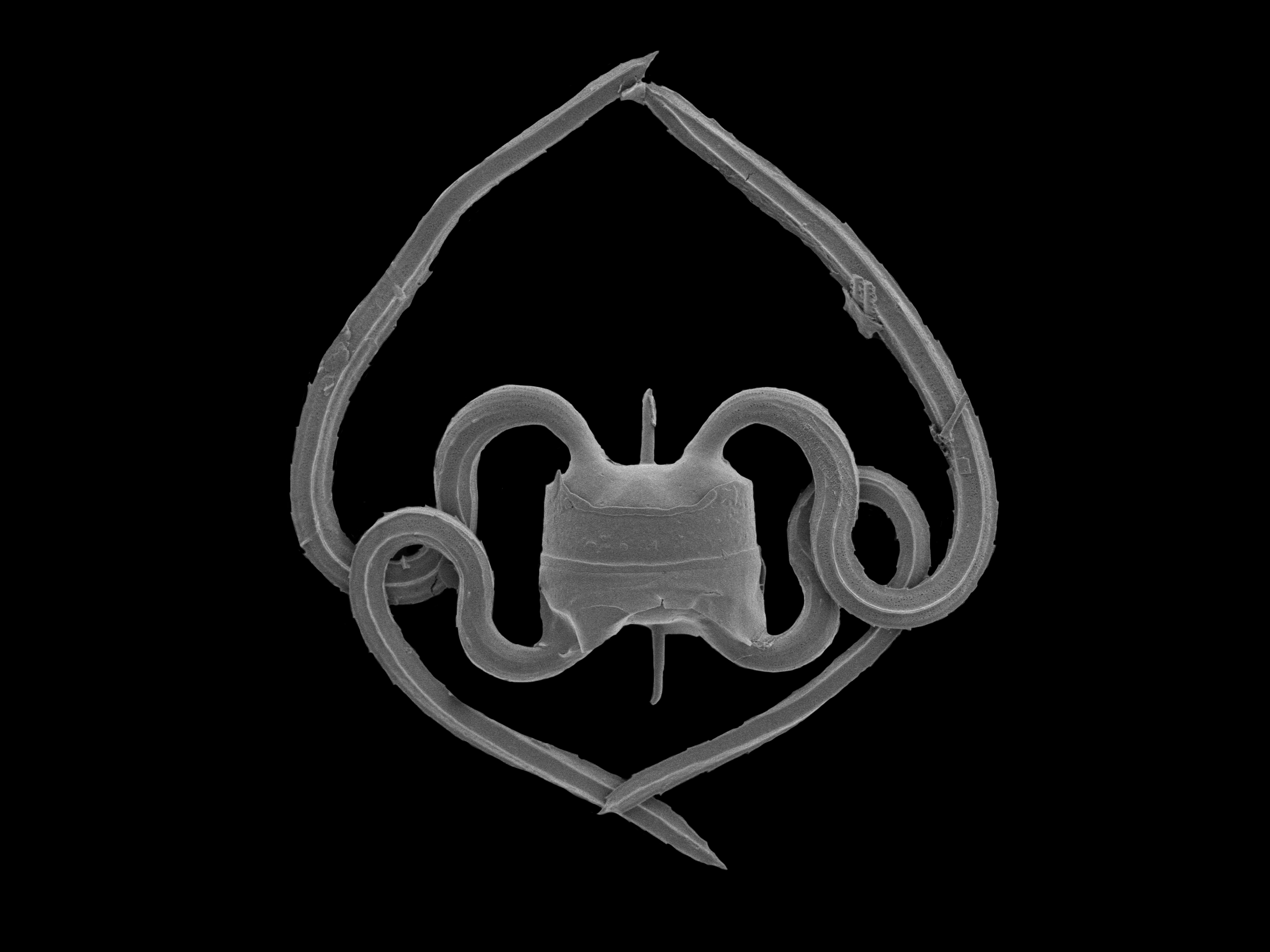
Phytoplankton Chaetoceros altanticus, Luke Brokensha, IMAS/IMOS/AAPP
The value of sustained observing
The study is an example of how long-term observing infrastructure can reveal patterns that would be difficult to detect through short-term research alone.
The Continuous Plankton Recorder provides consistent observations across repeated routes, allowing researchers to distinguish longer-term trends from the substantial natural variability of the Southern Ocean. While the technique provides a semi-quantitative measure rather than an absolute estimate of phytoplankton abundance, its consistent application makes it valuable for identifying broad temporal and spatial patterns in marine communities.
As the Southern Ocean continues to change, maintaining these long-term observations will be critical to understanding how its plankton communities respond, and what those changes may mean for the wider ecosystem.
Read the paper, published in the Marine and Freshwater Research IMOS special issue, here.
Header image: Phytoplankton Chaetoceros bulbosus, Luke Brokensha, IMAS/IMOS/AAPP