
Region: South Australia
-

Event Based Sampling
The IMOS Event Based Sampling sub-Facility uses Ocean Gliders to monitor marine events in Australian coastal waters, with up to eight deployments per year. Targeted events that IMOS could monitor include marine heatwaves, river outflows due to floods, marine cold spells, harmful algal blooms and extreme weather events such as tropical storms and cyclones. Data…
-
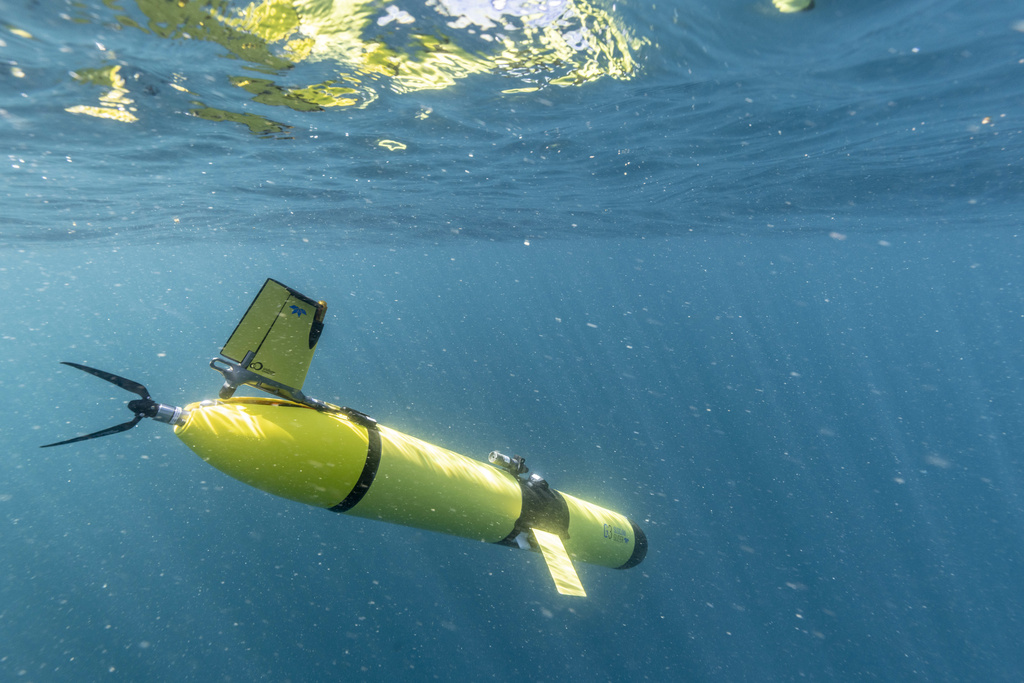
Ocean Gliders
Ocean gliders are autonomous underwater vehicles that propel themselves with changes in buoyancy, ascending and descending through the water column. The gliders are relatively cheap, reusable and can be remotely controlled, making them a relatively cost-effective method for collecting repeat subsurface ocean observations. Locations The use of these contemporary gliders provides a unique opportunity to…
-
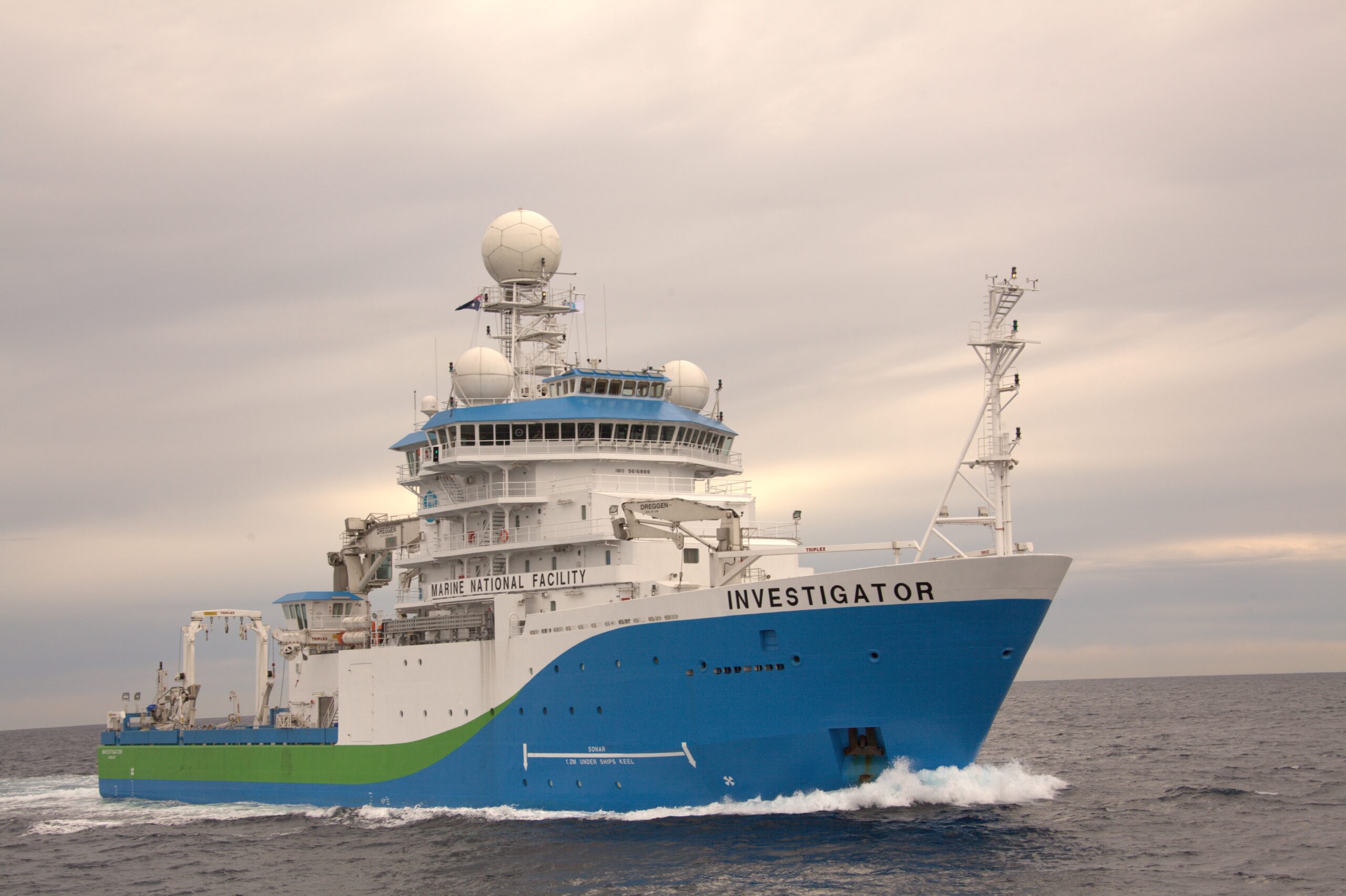
Research Vessels Real-Time Air-Sea Fluxes
Air-sea fluxes, the exchange between the atmosphere and the ocean, play an important role in the global climate. Mapping these fluxes is therefore vital to understanding the role of the ocean in climate variability, carbon levels, ecosystems and coastal environments. Research Vessel Real-Time Air-Sea Fluxes uses autonomous instrumentation to monitor important meteorological and ocean surface…
-
Sea Surface Temperature Sensors for Australian Vessels
Remotely sensed sea surface temperature data is important for ocean, weather, seasonal and climate models. In order to provide the validation of satellite measured sea surface temperature and ocean models in the Australian region, there is a need for high quality, in situ sea surface temperature observations. Simple hull contact sensors are placed on the…
-
Biogeochemical Sensors
Biogeochemical Sensors collect high-quality underway CO2 observations from ships specially fitted with CO2 underway systems. Biogeochemical Sensors increase the spatial coverage of CO2 observations in both Australian waters and the Southern Ocean, complementing data collected by moorings (Acidification Moorings and Southern Ocean Time Series Observatory). How it works IMOS uses ships that routinely undertake the same voyage tracks,…
-
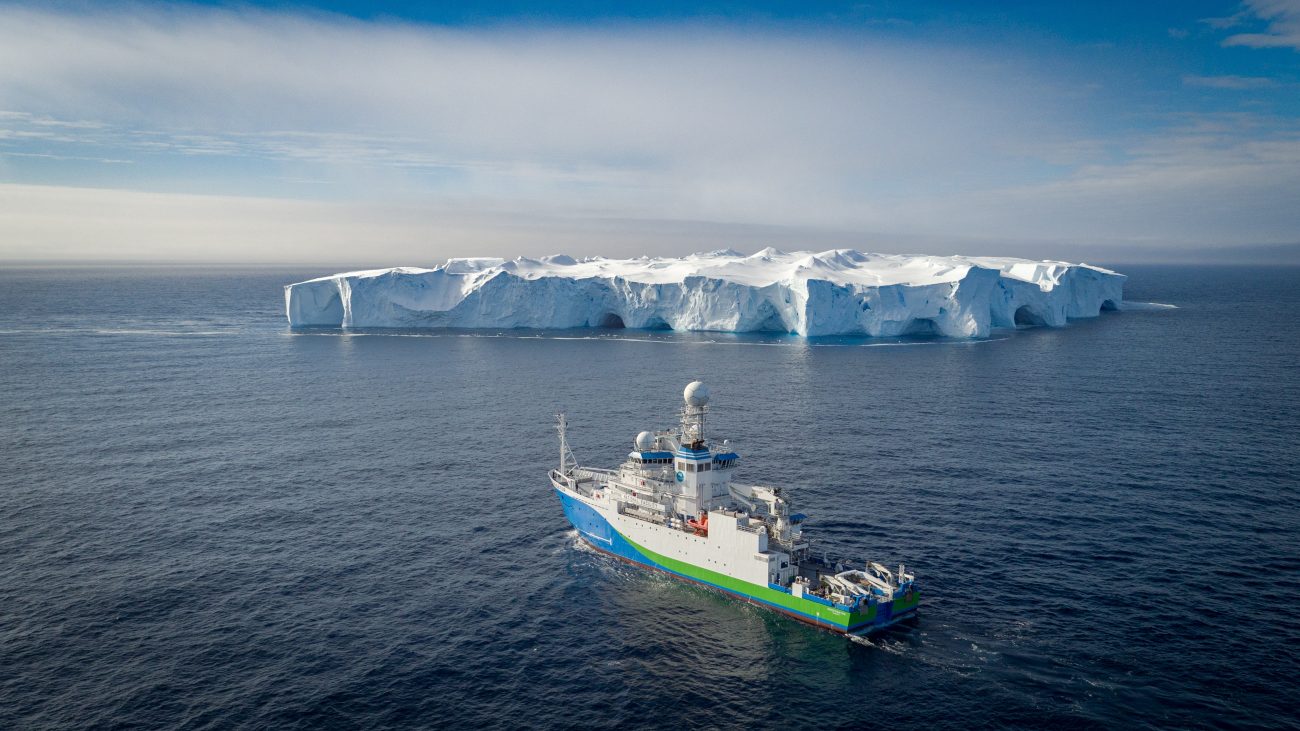
Ships of Opportunity
The IMOS Ships of Opportunity (SOOP) Facility uses a combination of volunteer commercial and research vessels to collect data relating to physical, chemical and biological oceanography and ecology. As chartered vessels for equipment deployment are expensive and time consuming, the use of volunteer vessels, in addition to equipment especially designed to be deployed efficiently and…