
Category: AODN
-

Mapping vessel traffic across Australia’s oceans
Australia’s waters host some of the busiest shipping routes in the southern hemisphere, with thousands of vessels moving through coastal and offshore regions each year. The Australian Maritime Safety Authority (AMSA) captures this activity through its national Automatic Identification System (AIS) network, generating a vast dataset of vessel movements, now exceeding 200 million records. Despite…
-
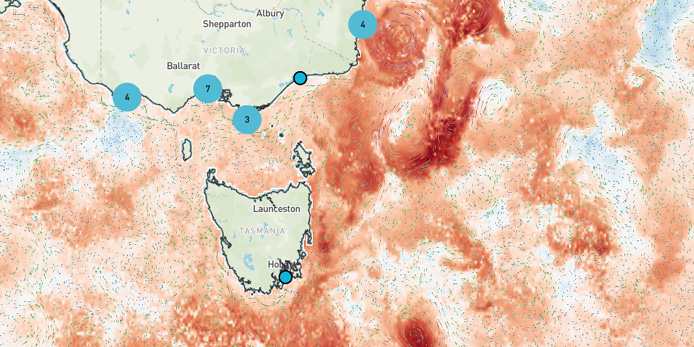
IMOS Live upgraded
IMOS has launched an updated version of IMOS Live, introducing new data streams and additional layers from our near real time moorings. With this release, users can track sea surface temperatures and anomalies via the IMOS AusTemp product, a revised suite of ocean heating indicators. Users can also display hourly temperature and salinity at different…
-
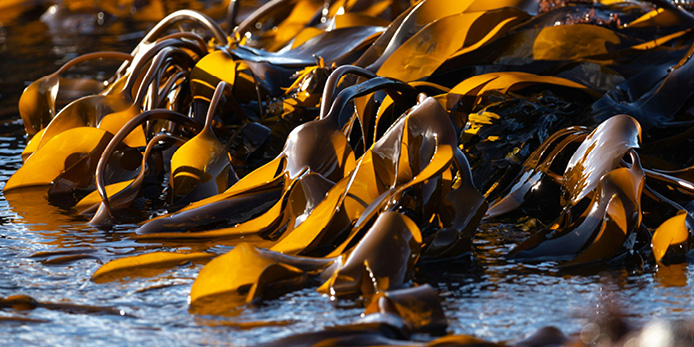
Making kelp observations more accessible for marine assessment
Kelp forests are important marine ecosystems along Australia’s temperate and subtropical coastlines. A new assessment-ready dataset is making observations of kelp species from marine imagery easier to access, analyse and use across research and marine management. As part of the National Environmental Science Program (NESP) Marine and Coastal Hub Project 5.9, IMOS has developed a…
-
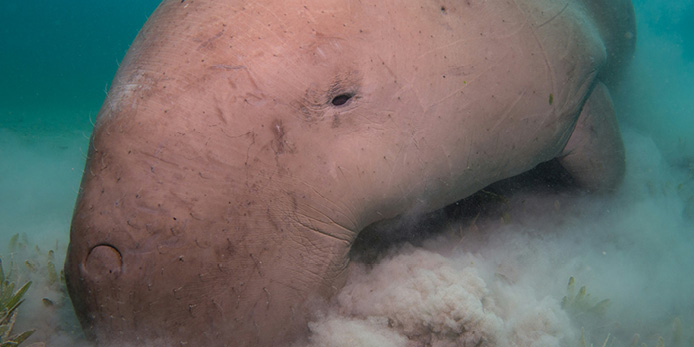
New assessment-ready dugong dataset supports marine conservation and management
Dugongs (Dugong dugon) are an iconic marine species, and long-term monitoring plays an important role in understanding population trends and supporting marine conservation and management. As part of the National Environmental Science Program (NESP) Marine and Coastal Hub Project 5.9, IMOS AODN data engineers have developed a new assessment-ready dugong dataset, bringing together observations collected…
-
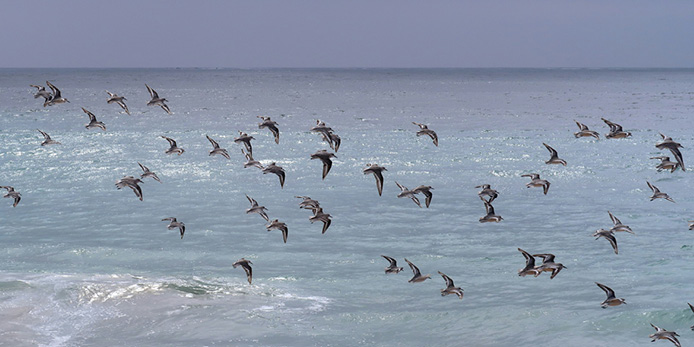
Bringing decades of seabird observations together in one assessment-ready dataset
Seabirds are among the most wide-ranging animals on the planet, travelling vast distances across oceans and connecting marine ecosystems across regions and hemispheres. Understanding where seabirds occur, how their distributions change over time, and how they respond to environmental pressures is critical for marine conservation and ecosystem management. As part of the National Environmental Science…
-

Making marine environmental data more assessment-ready
Australia’s marine research system generates vast volumes of high-quality data, held across national institutions and programs. However, these datasets are not always readily usable for applications such as State of the Environment reporting, environmental approvals or economic accounting. This creates inefficiencies and limits timely, informed decision-making. A project developed as part of the IMOS Data…